consumer needs and influencing trends,
innovative and differentiating product concepts,
al territorio emocional de la marca que define el ecosistema creativo,
olutions that captivate your audience and embody your brand identity
transforming technical and environmental constraints into opportunities.
Innovation is about anticipation. It is the ability to look ahead, question the present and imagine relevant solutions for what comes next.
Brands and companies engage in innovation for different reasons: to respond to a market slowdown or disruption, to reinvent a declining category, or — more strategically — to anticipate change before it becomes a constraint.
At In Spirit Design, innovation is not reactive. It is a proactive and structured exploration of future opportunities.
Our innovation projects are driven by a deep understanding of evolving contexts:
market trends and category dynamics,
changing consumer needs, behaviours and expectations,
emerging technologies and new uses,
regulatory frameworks and constraints.
These insights form the foundation for identifying innovation territories.
Innovation becomes meaningful when it takes shape. We translate insights into new concepts, new products, new services and new experiences, designed to create differentiation and long-term value.
Working closely with Marketing, Innovation and R&D teams, we develop concepts that are:
clearly positioned,
emotionally engaging,
technically feasible,
and economically viable, with defined business models.
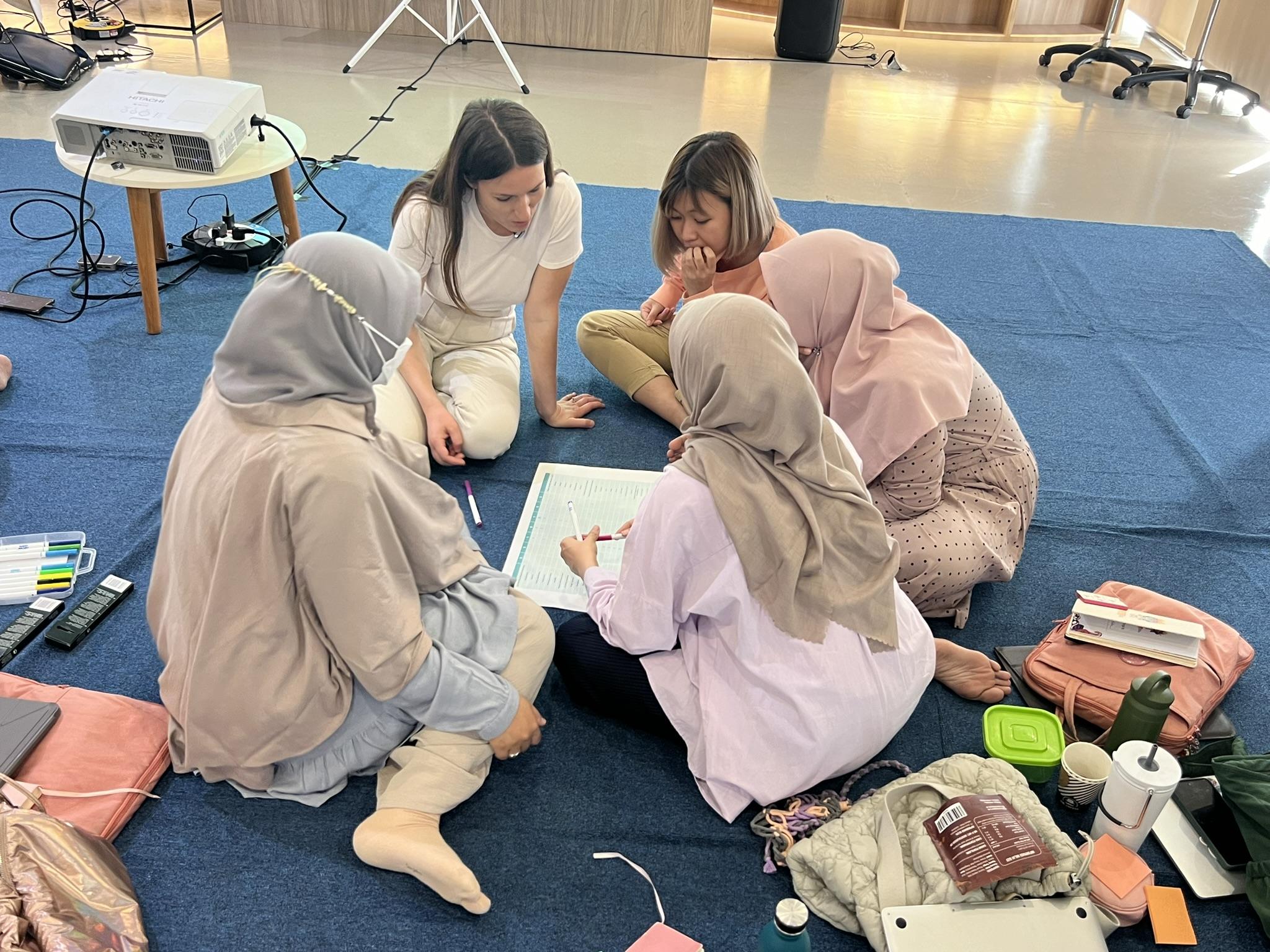
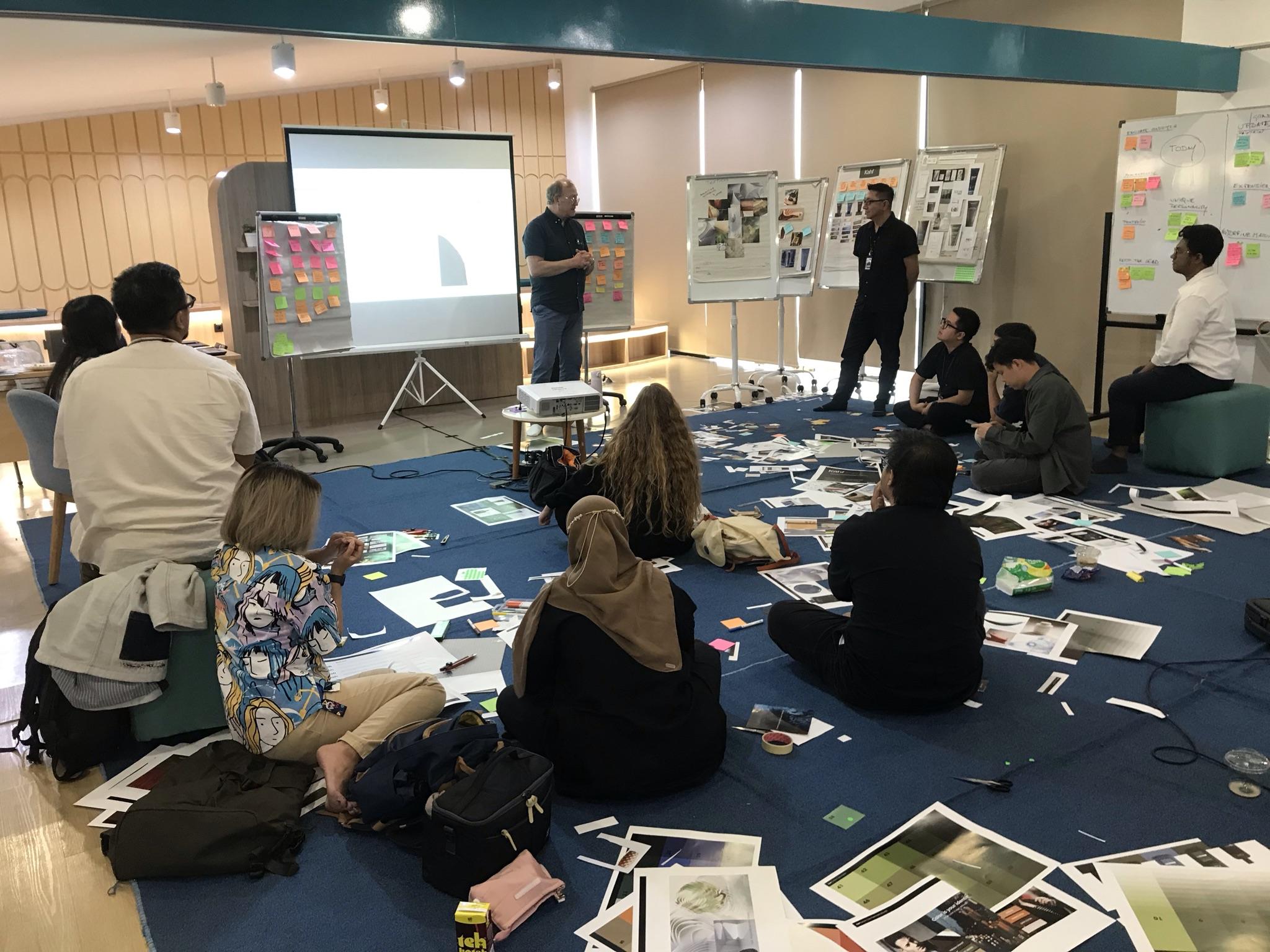
We strongly believe in the power of multidisciplinary teams and collective intelligence.
In Spirit Design can initiate, facilitate and participate in creative workshops and co-creation sessions, bringing:
creative leadership,
strategic design thinking,
and strong visualization skills.
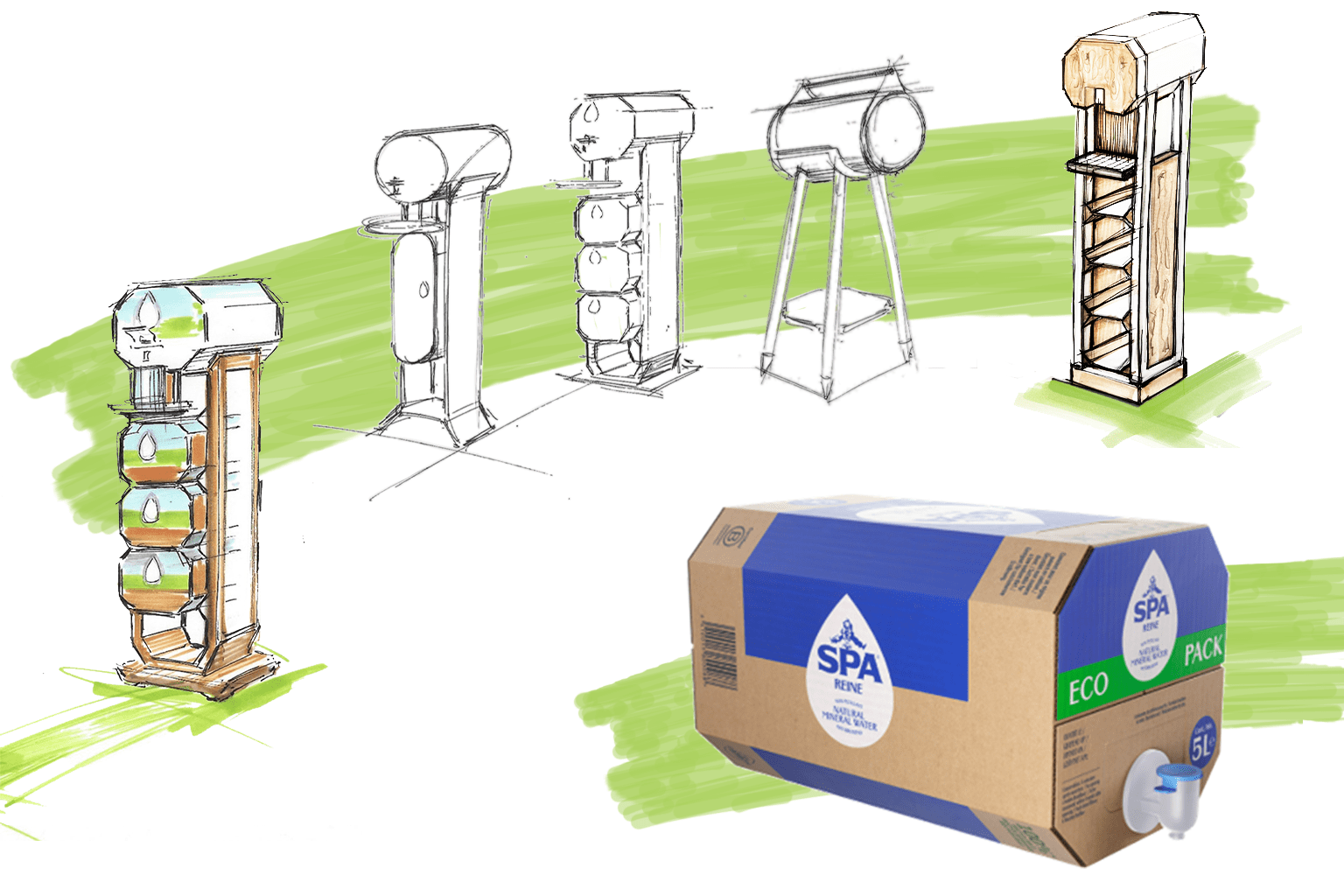
Through live sketching and rapid visualization, ideas become tangible, shared and actionable — accelerating alignment and decision-making.
We support projects from early exploration to concept validation, helping brands move confidently from vision to reality.
Brand storytelling is the art of giving meaning to a brand through narrative and emotion. It creates connection, fosters engagement and builds long-term belief.
At In Spirit Design, storytelling always starts with strategy. Before telling a story, we define the brand’s foundations: its positioning, its purpose (Why, How, What) and a deep understanding of its audience.
Emotion is the key driver of memorability and adhesion. We define each brand’s emotional territory — the feelings, values and atmospheres it aims to express — and translate it into a coherent narrative universe.
This territory is often explored through moodboards combining images, words, tones and verbatims, shaping both the visual and verbal language of the brand.
A strong story can be refined and condensed. It naturally leads to the creation of a brand signature, a tone of voice and clear key messages.
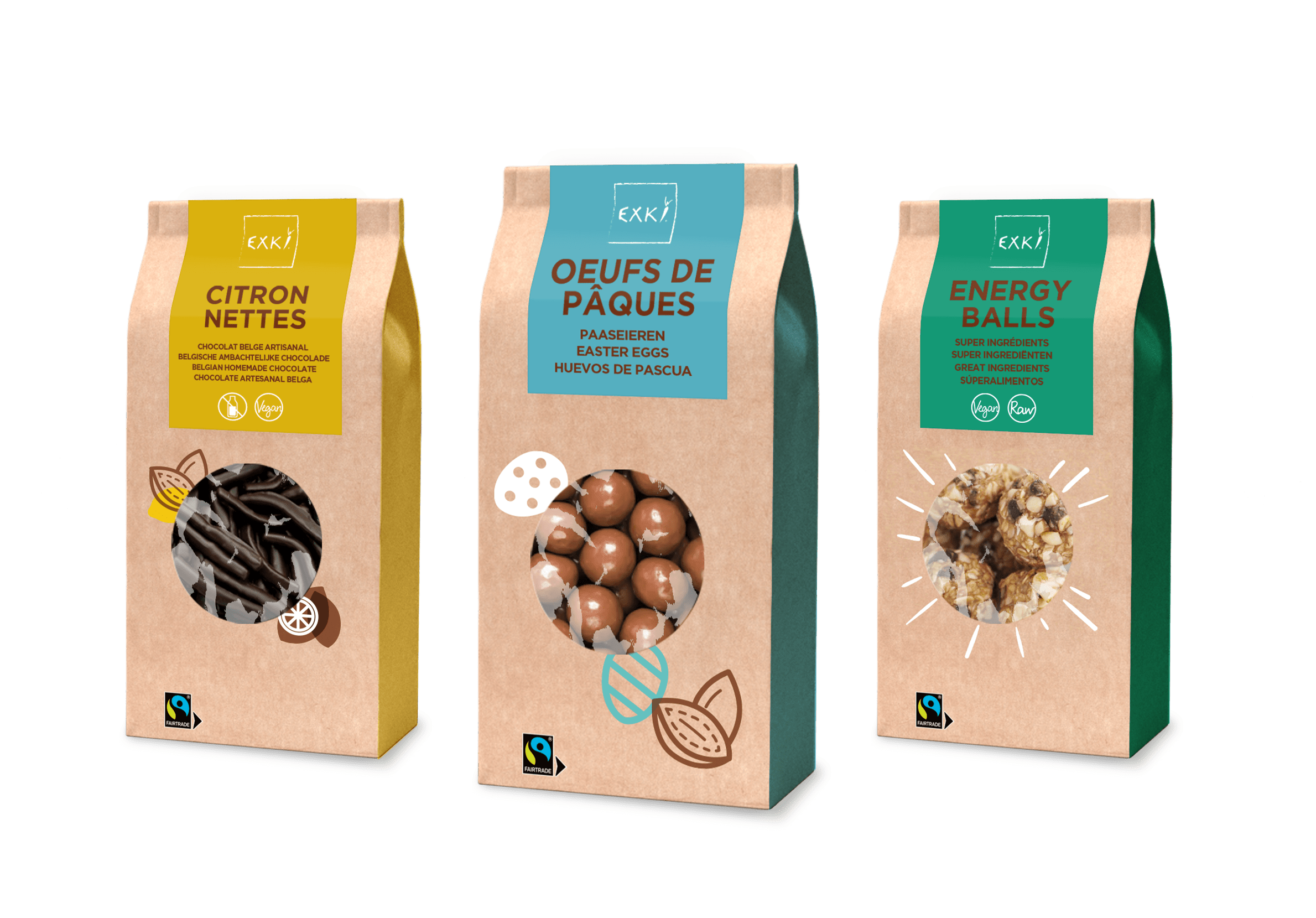
This storytelling framework becomes a powerful source of inspiration for identity design — influencing logotypes, visual systems, packaging, products and spaces — and ensuring consistency across all brand touchpoints.
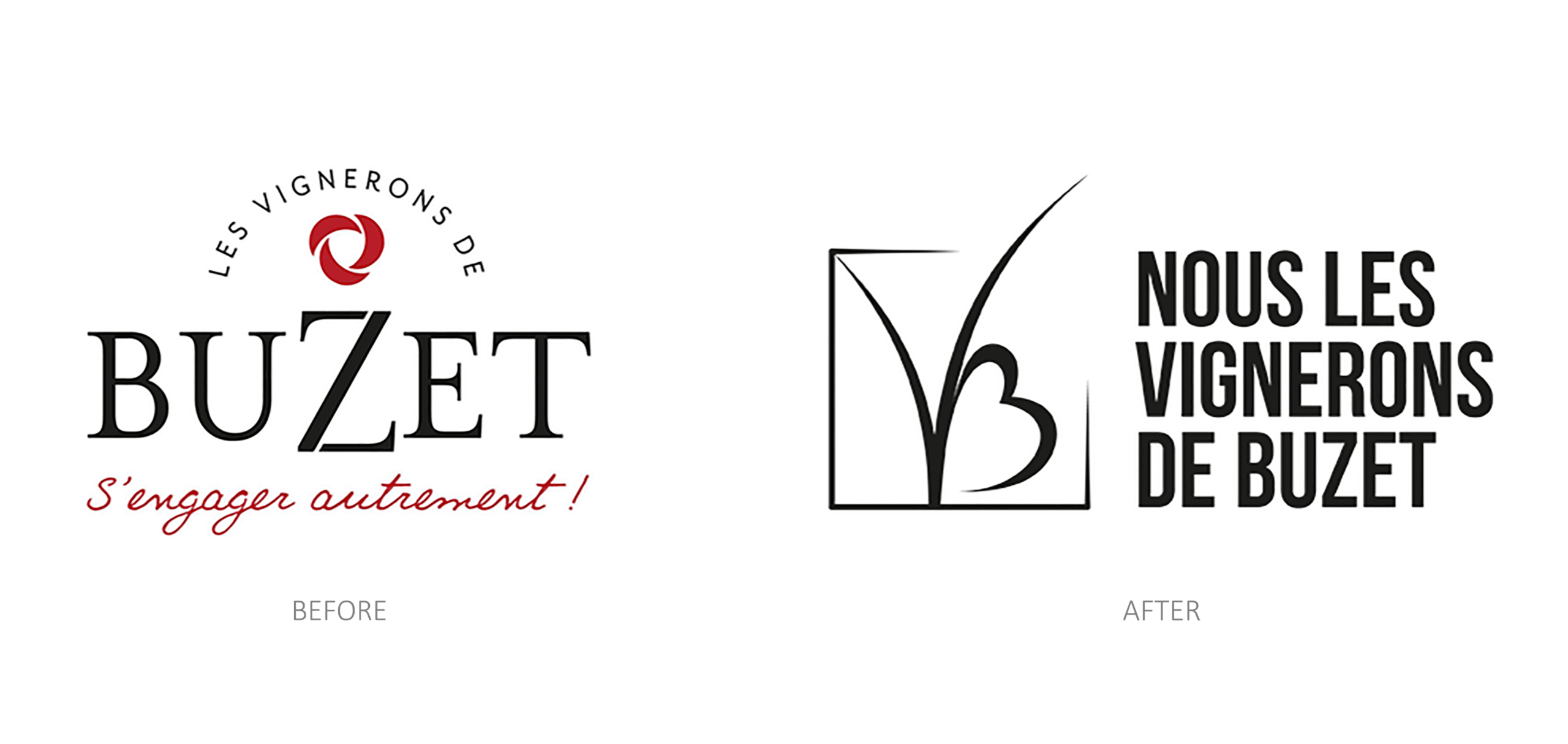
A good logo goes straight to the point: a simple, memorable, and meaningful sign.
It expresses the brand’s personality — its tone, energy, and uniqueness — while remaining flexible and enduring. Designed to be recognized in an instant, it adapts to every context: from product to digital, flat, in volume, or animated; from emblem to full signature. Our approach aims to translate the soul of the brand into an identifiable, timeless, and living symbol.
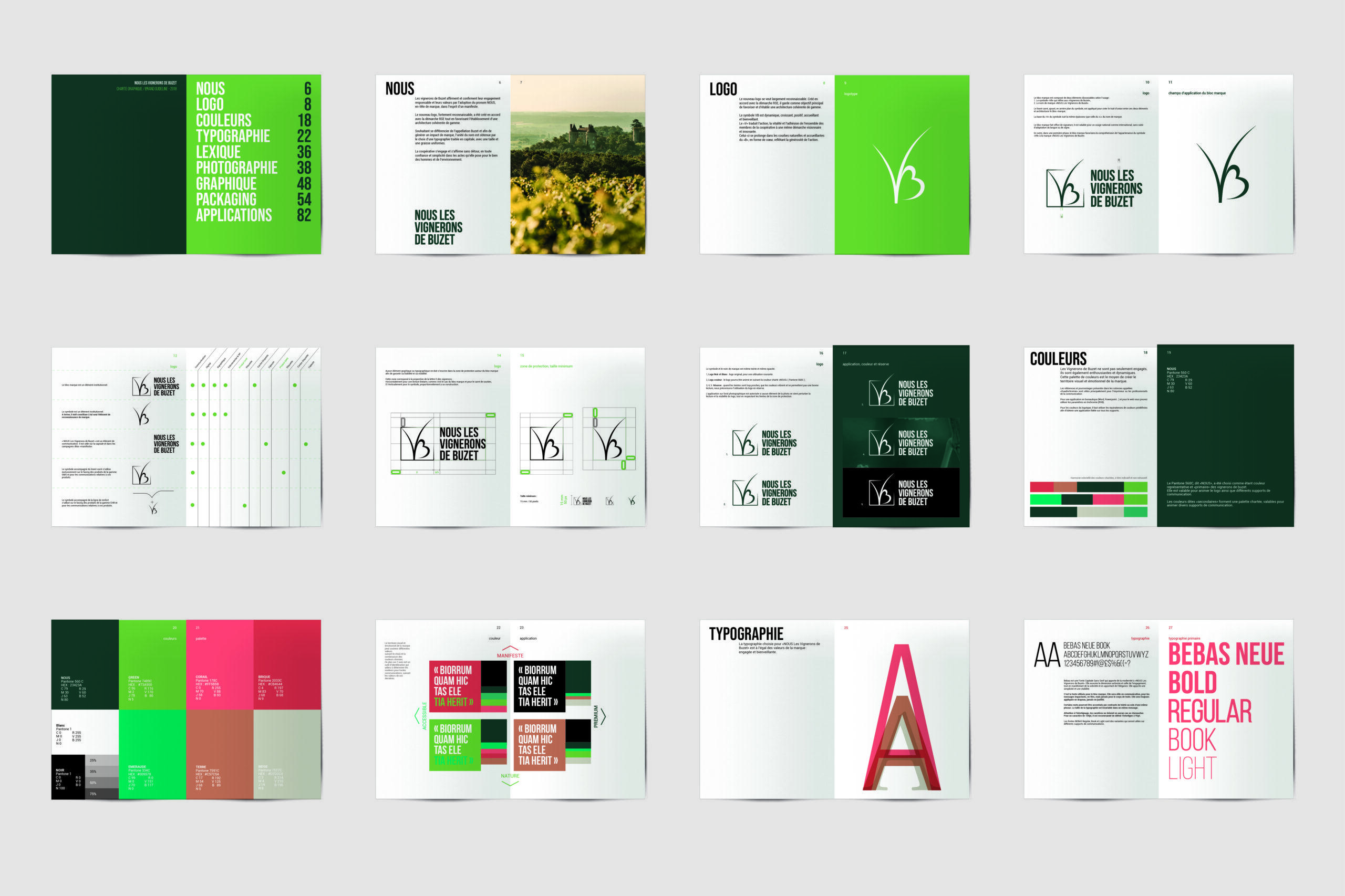
A visual identity system defines the brand’s overall language, far beyond its logo. It conveys the brand’s conceptual, sensory, and functional essence across all touchpoints — products, packaging, spaces, digital, and communication. This language unifies forms, colors, words, sounds, textures, and gestures to create a coherent, emotional, and memorable brand experience. Structured within the Brand Book and Guidelines, it ensures the brand’s consistency and expressive power over time.
Product design is about shaping objects and equipment that people interact with every day. But beyond form and function, it is a creative act of innovation — bringing new ideas, new uses and new value to products and to brands.
At In Spirit Design, we believe design must go beyond optimization. It must introduce original concepts, distinctive solutions and desirable experiences that create real differentiation and long-term relevance.
Innovation starts with curiosity and insight. By observing behaviors, gestures and unmet needs, we identify opportunities to rethink existing products and imagine new ones.
Creativity allows us to:
challenge established norms and conventions,
explore alternative forms, functions and interactions,
transform constraints into opportunities,
and create solutions that feel both obvious and unexpected.
A strong concept is the foundation of a successful product. We develop design concepts that are not only technically viable but emotionally engaging and commercially relevant. Desirability is built through:
intuitive use and clear function,
refined ergonomics and sensory quality,
a strong and coherent design language,
and a clear alignment with brand purpose.
Bridging creativity, engineering and brand
Innovation only becomes valuable when it can be manufactured, used and adopted. That is why our concepts are designed to move seamlessly from vision to reality.
Responsible innovation
Sustainability is part of innovation.
We seek smarter solutions through material reduction, durability, reparability and thoughtful life-cycle design, ensuring progress is both creative and responsible.
From idea to implementation
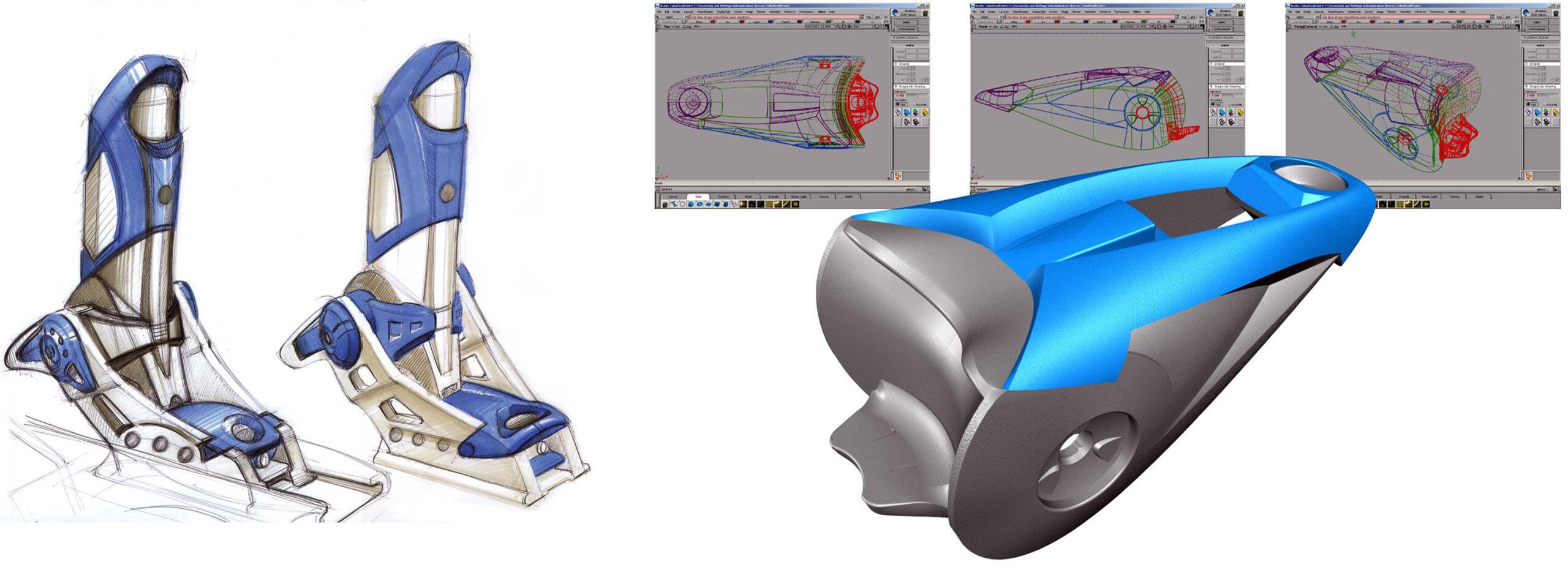
We support the entire product development journey: from strategic exploration and concept creation to engineering, prototyping, testing and industrial implementation.
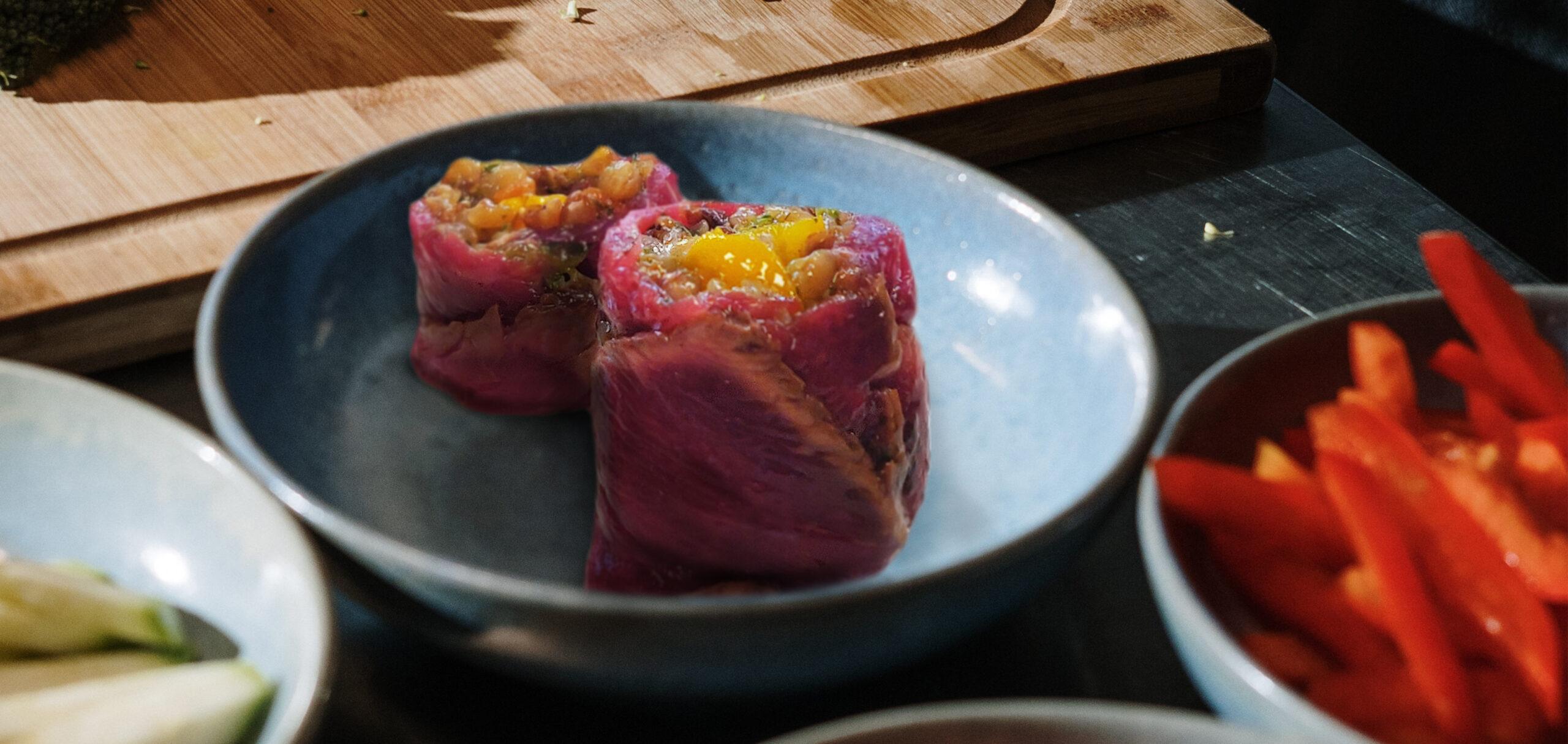
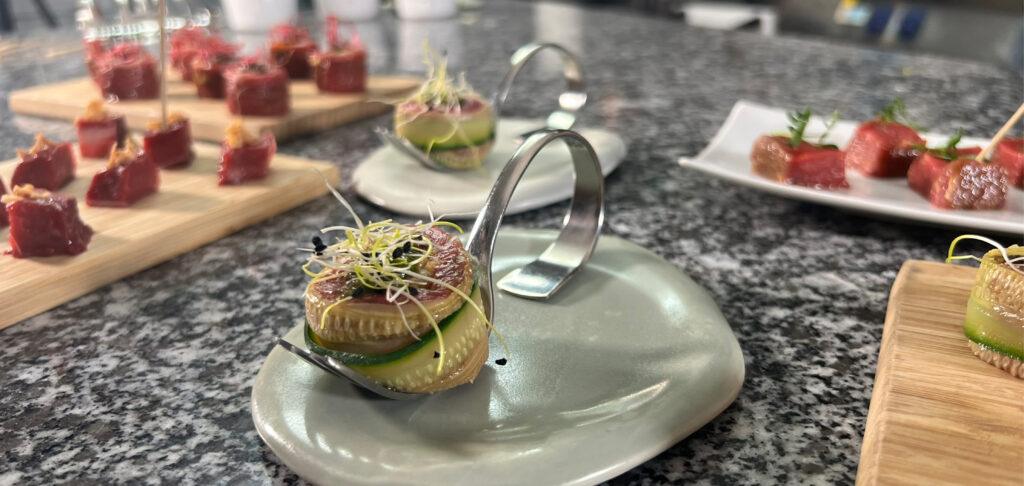
Food design is about more than recipes.
Whether translating an existing dish into a more appealing and relevant expression for a specific audience, creating a new recipe around an identified opportunity, developing an entrepreneurial food concept, or designing a scalable restaurant or franchise model — food design is always a collaborative discipline.
It requires working hand in hand with chefs, culinary teams and food experts.
In Spirit Design activates its network or integrates directly with the client’s teams to combine design thinking and culinary expertise.
Food design sits at the crossroads of art, craftsmanship and gastronomy. It is a fully immersive sensory discipline that engages all the senses: taste, smell, sight, touch and sound — as well as memory and emotion.
Through design, food becomes a language. It can evoke cultural roots, family memories and shared rituals, while creating new experiences shaped by intention, context and audience.
1. Because food is also a matter of understanding people. Insight into markets and audiences — or more precisely, human groups with specific sensory, emotional and nutritional expectations,
2. the ability to identify opportunities and define clear intentions,
3. a conceptual approach translated into storytelling,
4. and the capacity to give form to an idea through visual, sensory and experiential design.
5. Gestures, rituals, presentation and context all contribute to turning food into a coherent and meaningful experience.
Food design can extend far beyond the recipe itself. Depending on the project, it may involve designing a complete ecosystem around the product, including:
concept and naming,
industrial feasibility and scalability,
complementary accessories,
packaging and presentation,
consumer guidance and points of contact,
product staging and retail or hospitality environments.
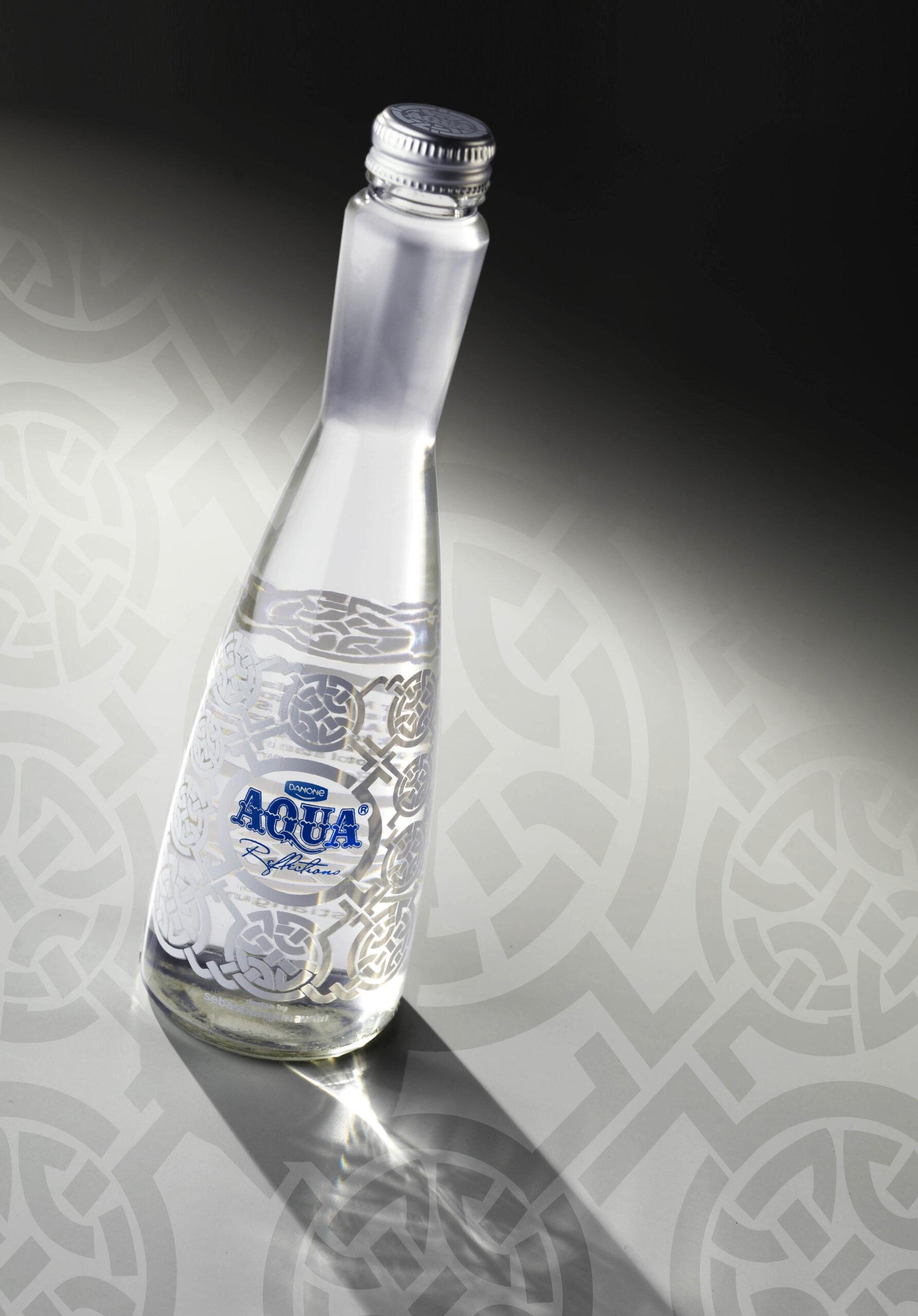
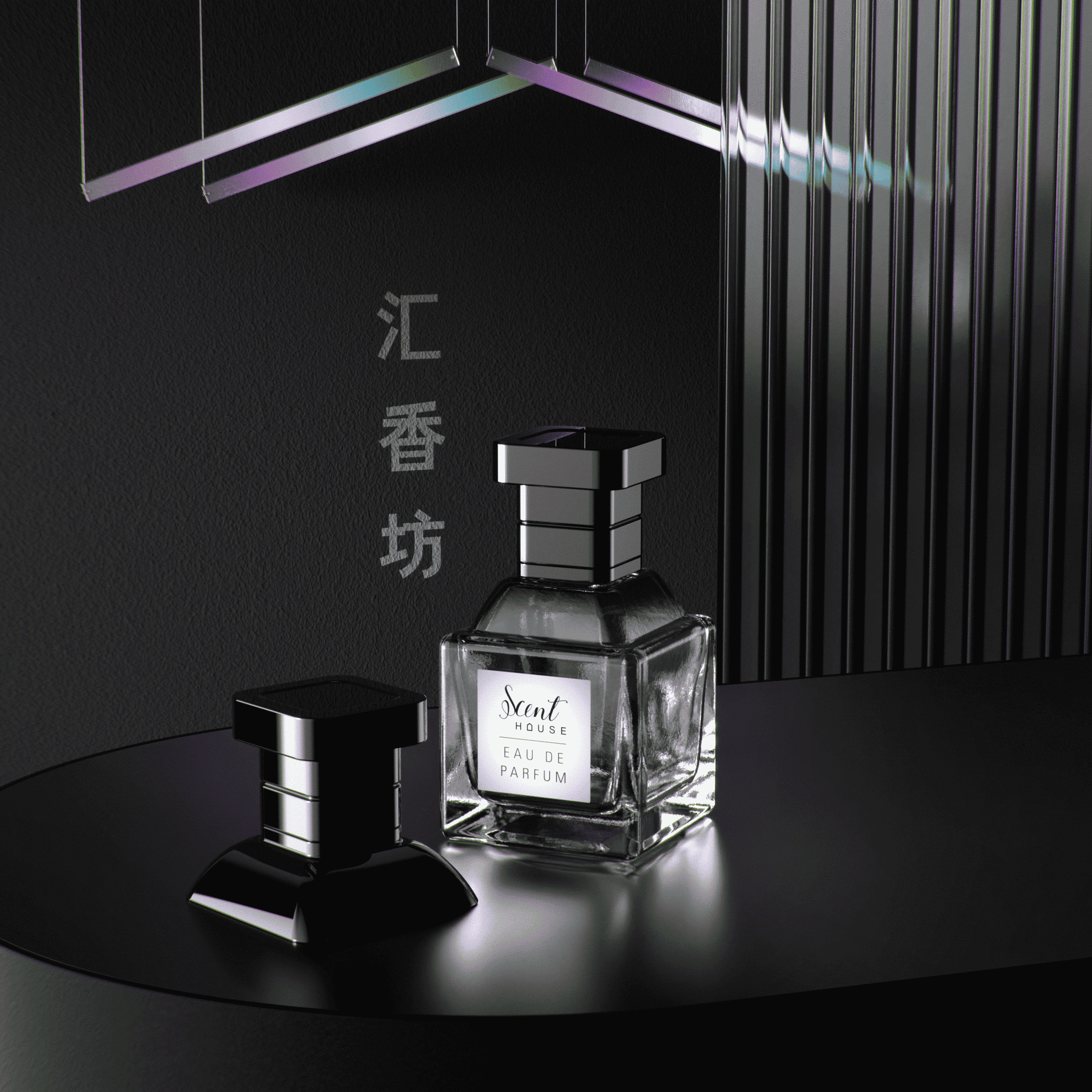
Designing a bottle — and containers in general — means giving form, meaning and value to a content that has none by nature.
Liquids, gases and fluid-like materials only exist for the user through their container. More than a protective shell, the container reveals, preserves and elevates the product.
Each content has its own identity: formulation, behaviors, stability, density, fluidity, transparency, colour.
True container design starts with an intimate understanding of the product — physical, functional and sensory — long before any formal expression.
A container is simultaneously a technical object, an experience medium and a brand icon. It must:
1º protect the integrity and quality of the product,
2º be industrially robust and economically viable,
3º comply with regulatory and logistical constraints,
4º offer intuitive ergonomics and ease of use,
5º create immediate shelf impact and long-term recognition.
6º Above all, it must embody the brand’s purpose, translating its DNA into a tangible, emotional and meaningful experience.
At In Spirit Design, container design is about balance. We orchestrate:
technical performance,
functional clarity,
sensory richness,
emotional resonance,
and environmental responsibility.*
*Eco-design is embedded from the outset: material choices, weight optimization, recyclability, reusability and consumer guidance are integral parts of the design process.
We design containers as complete systems, covering the entire creative journey: from design strategy and concept development to engineering, technical simulations, performance validation, industrial implementation and market activation.
This transversal vision ensures full coherence between innovation, industrial reality and brand value.
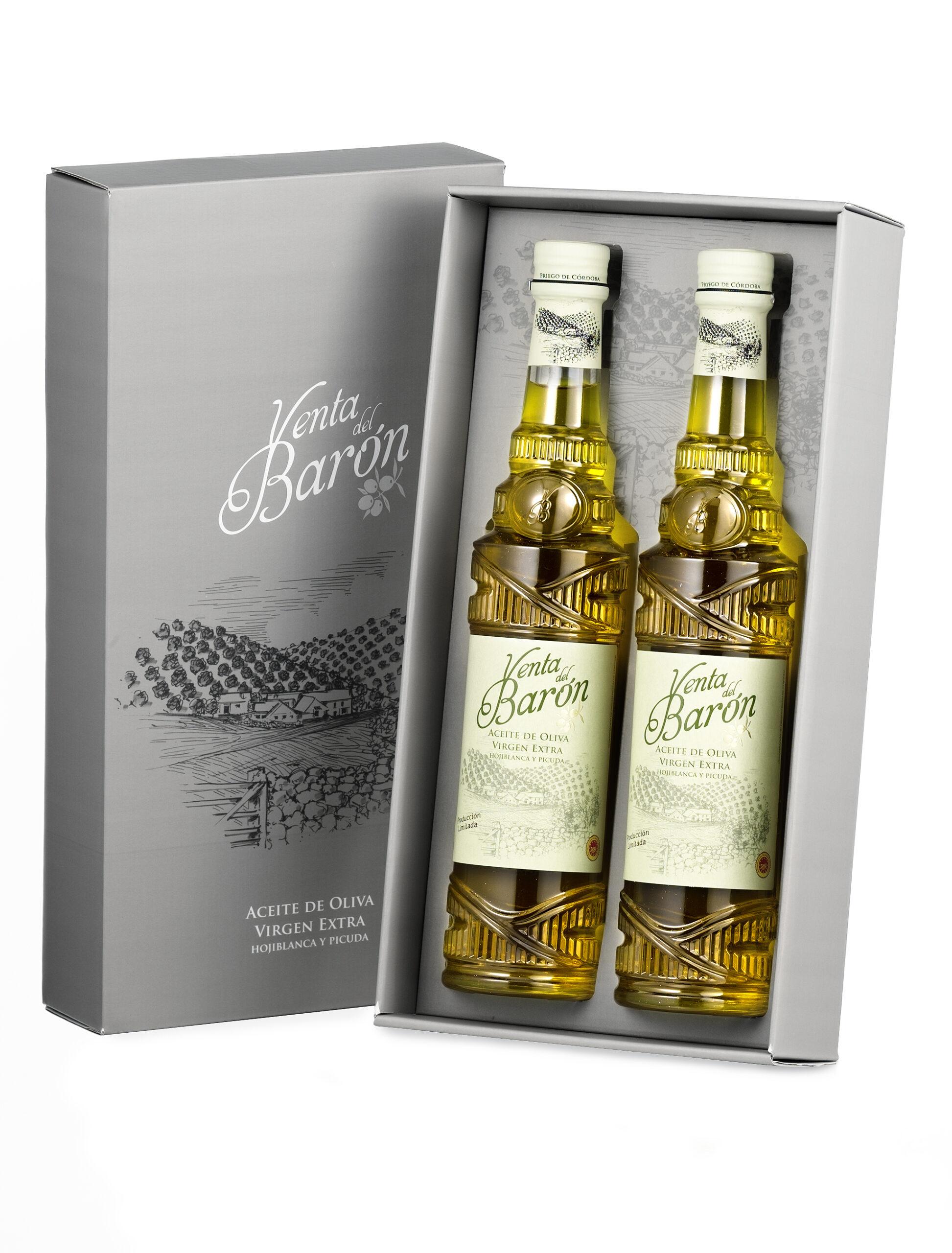
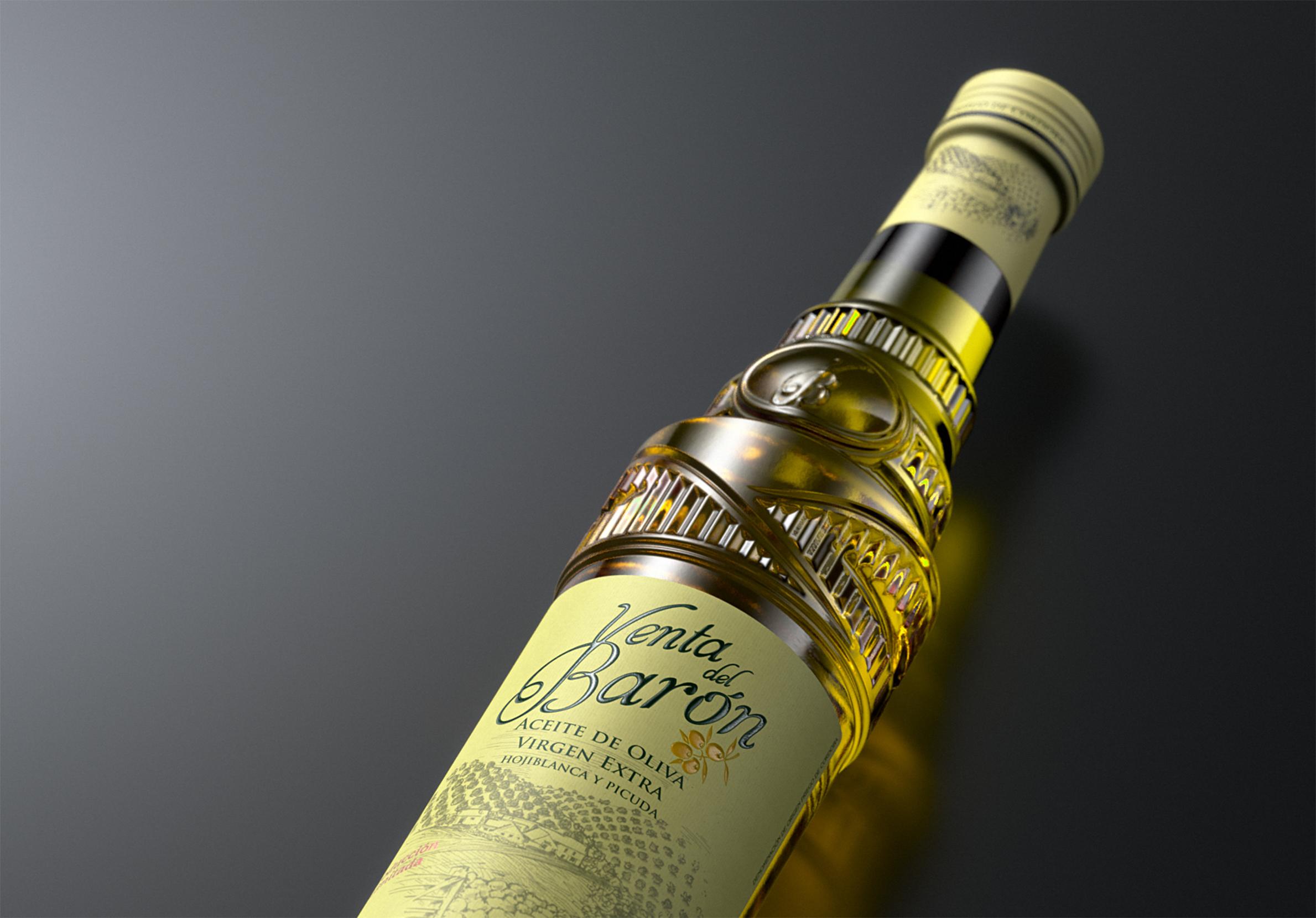
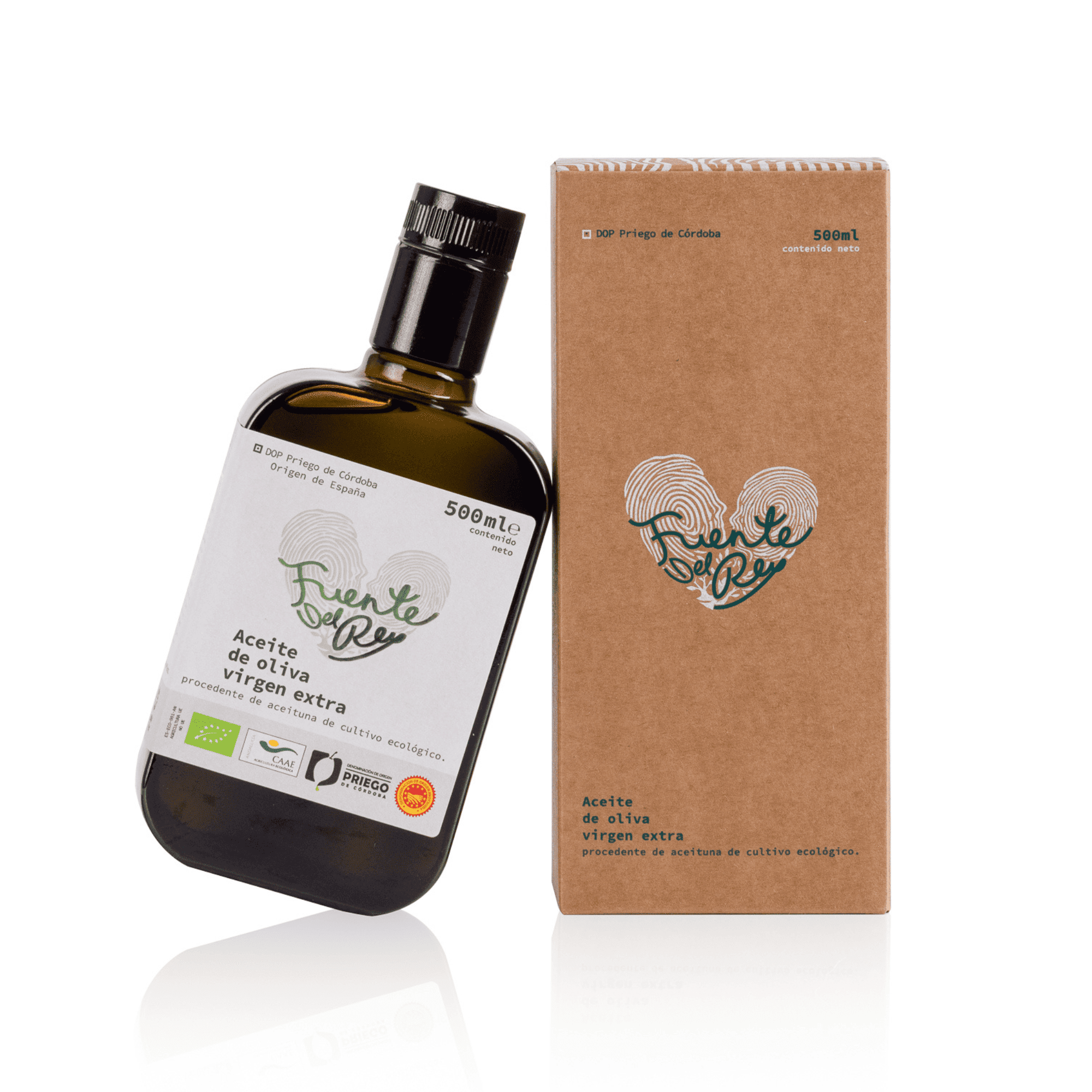
Glass bottle design expresses authenticity, quality and timelessness. Through form, weight, transparency and light interaction, glass enhances the perceived purity of the content and elevates the brand’s positioning.
It allows refined detailing, premium finishes and a strong sensory experience, turning the bottle into a lasting brand icon.
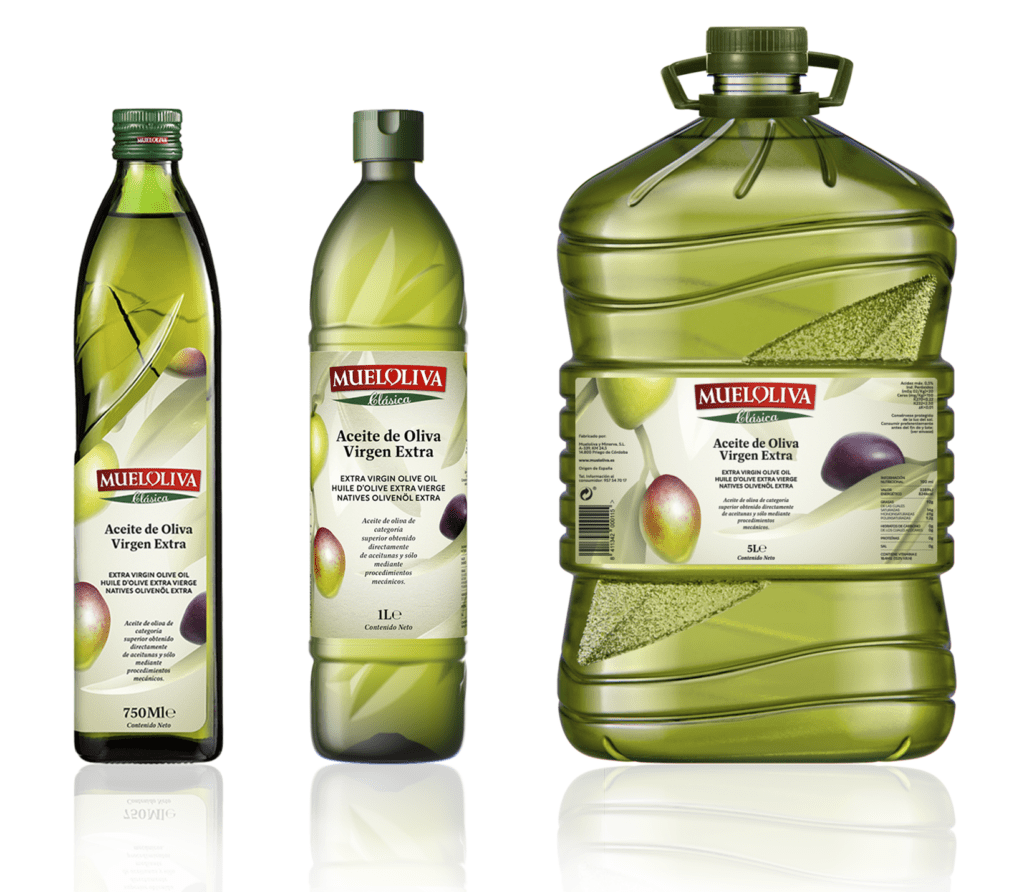
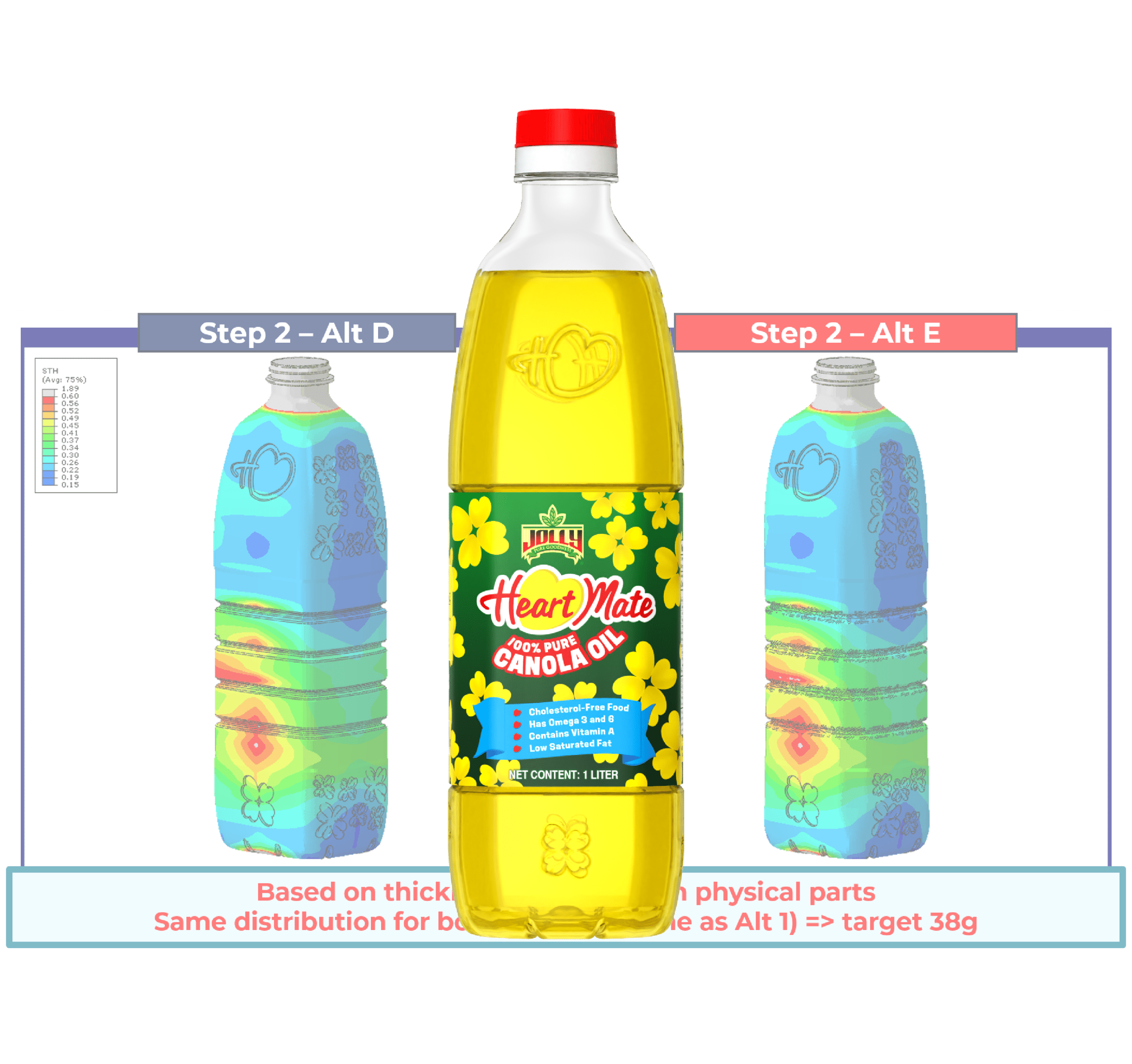
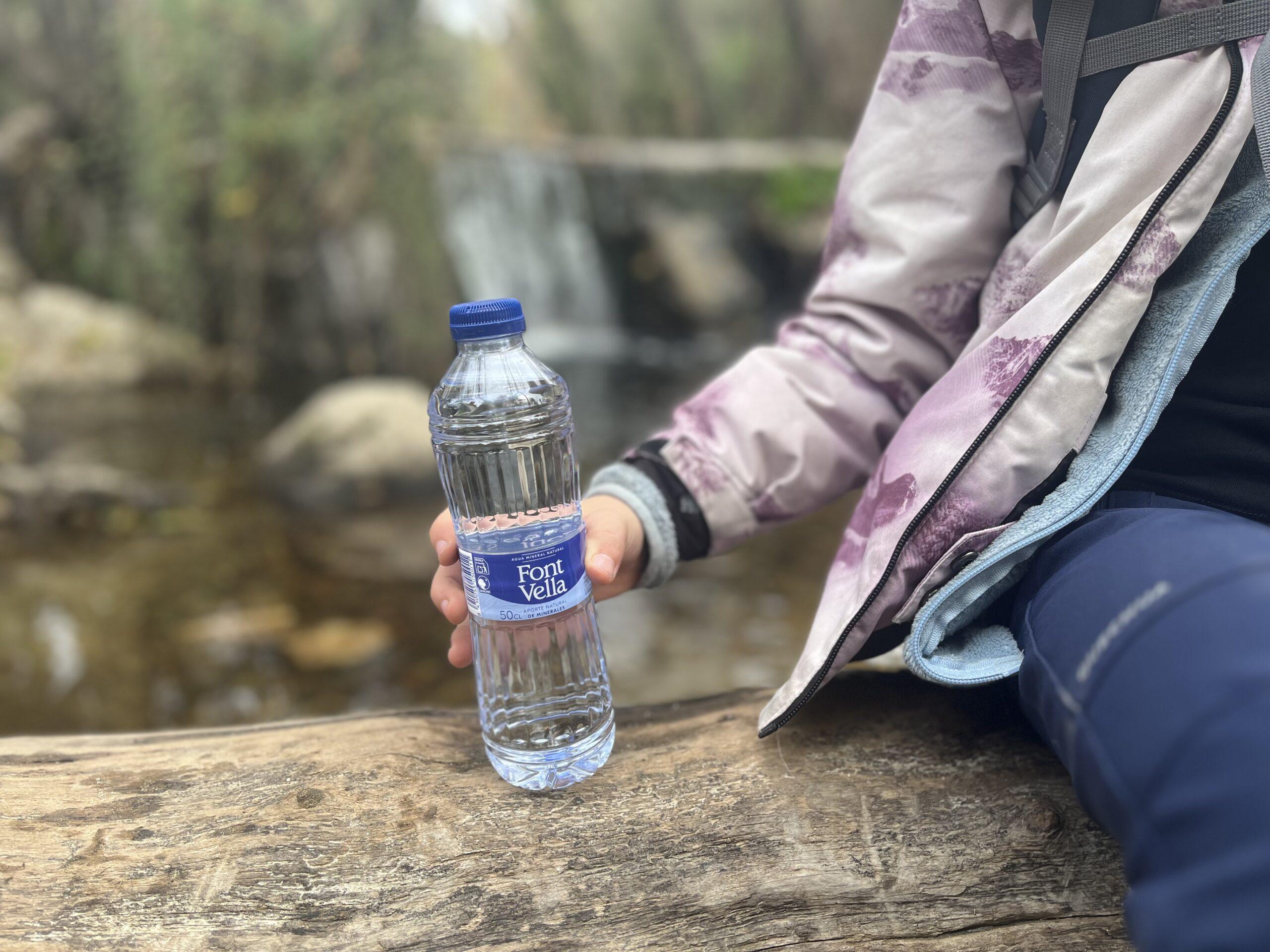
Plastic bottle design balances lightness, resistance and functionality. It optimizes material use, industrial performance and user ergonomics while delivering strong shelf impact and brand recognition.
When thoughtfully designed, plastic becomes a powerful medium for accessible, sustainable and high-performing brand experiences.
Label design gives meaning, hierarchy and clarity to the product through graphics, typography and information architecture. It transforms the bottle/container into a readable, credible and desirable brand statement at the very first glance.
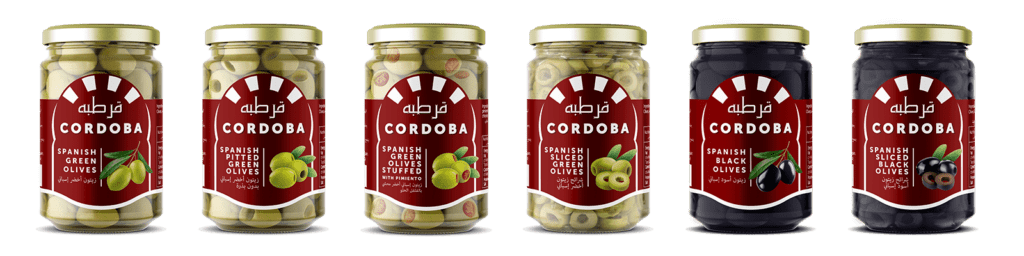
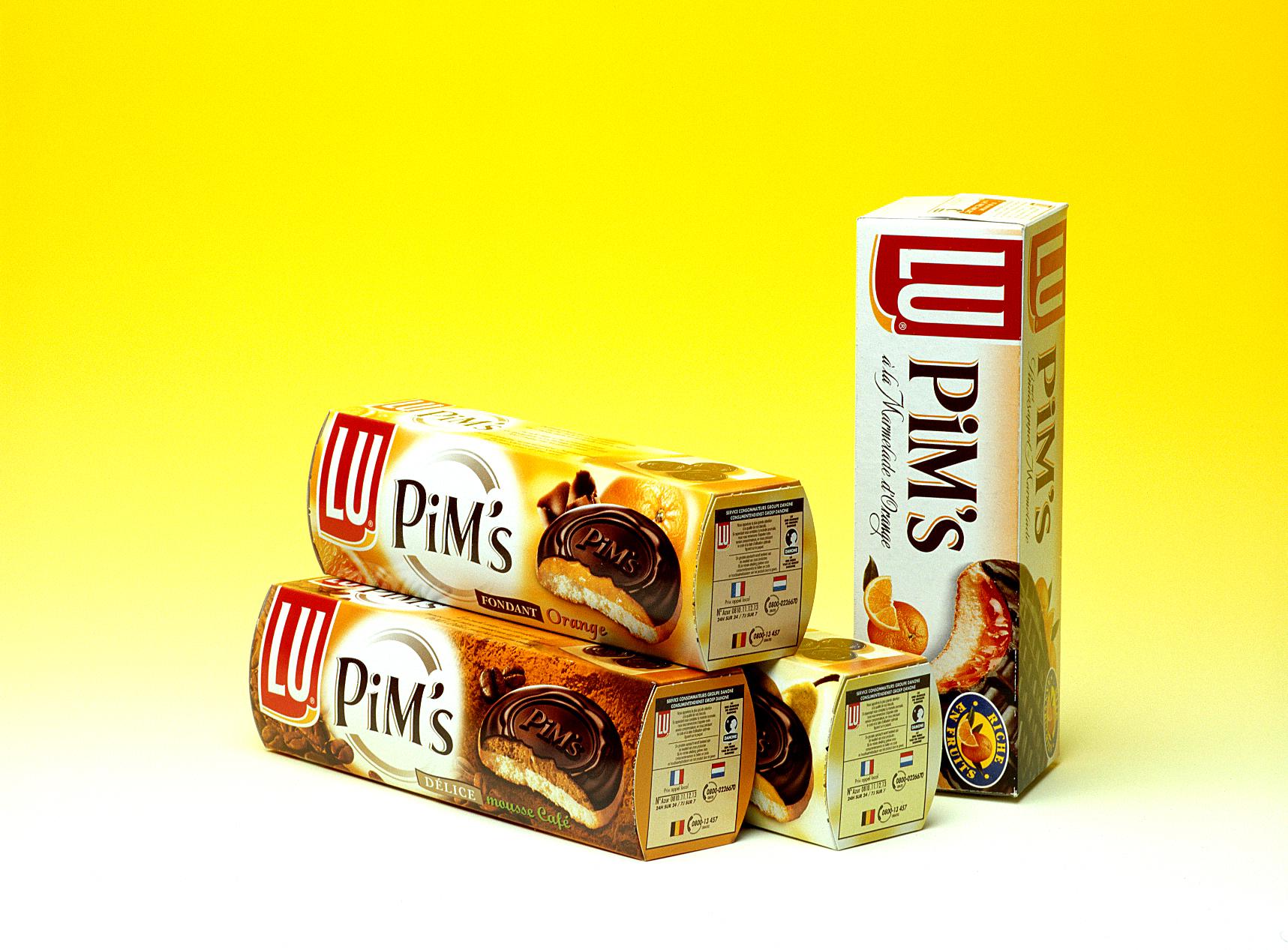
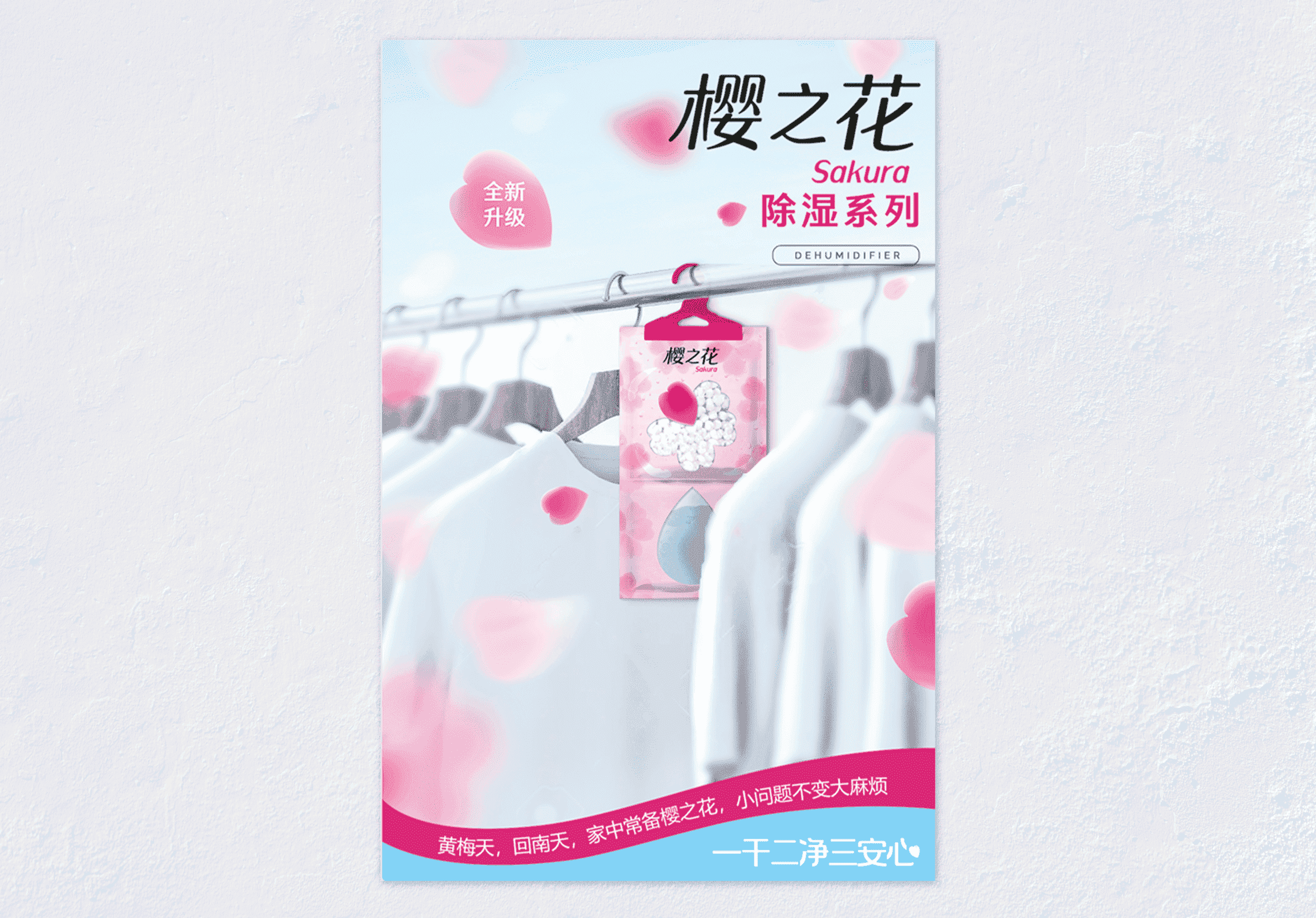
Pack graphics define the visual language of the product across formats and ranges
They create shelf impact, consistency and differentiation, translating brand strategy into a strong, scalable visual system.
Structural design defines the architecture of the container: proportions, grip, balance and performance. It shapes the user experience, supports industrial constraints and turns function into emotion.
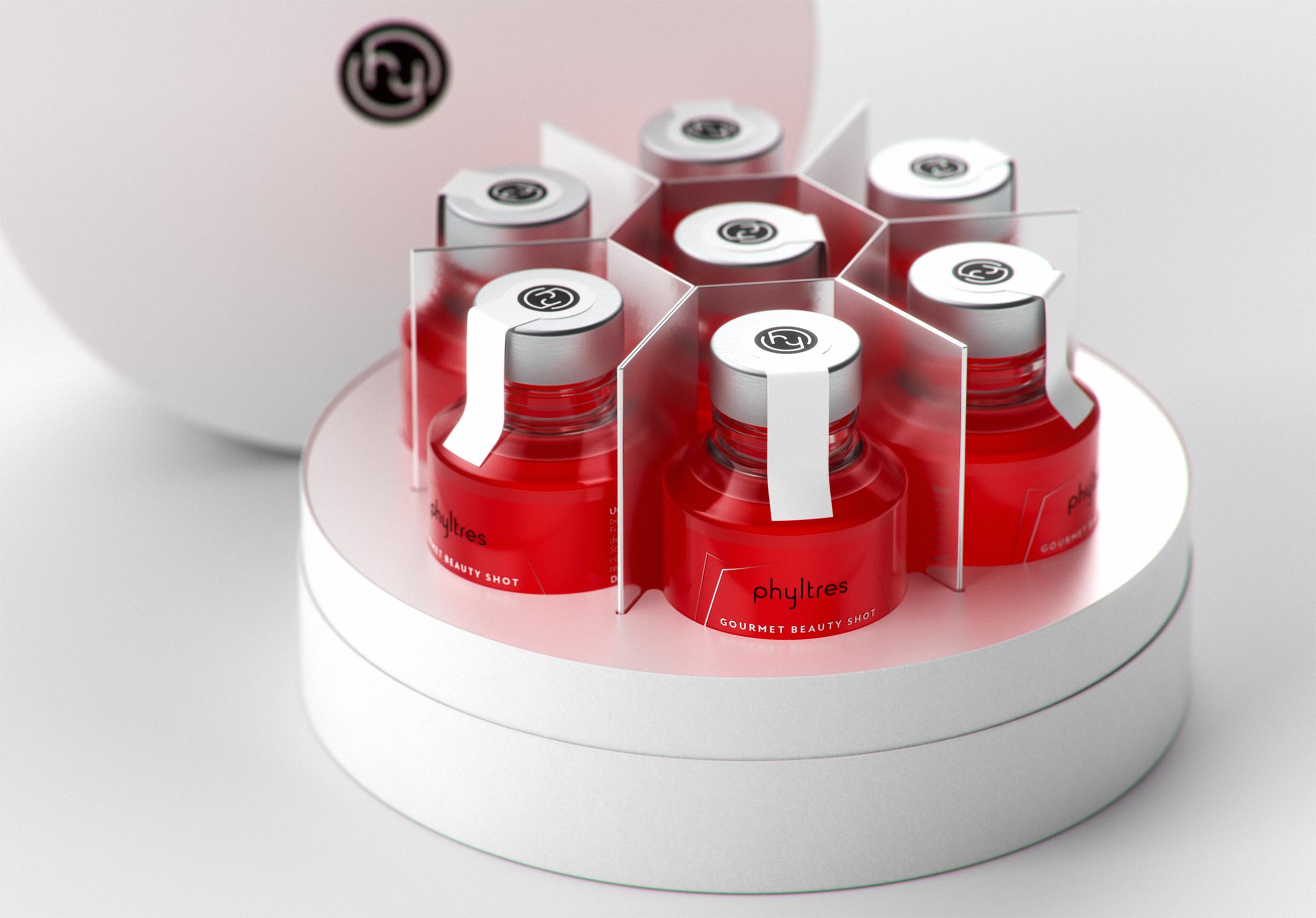
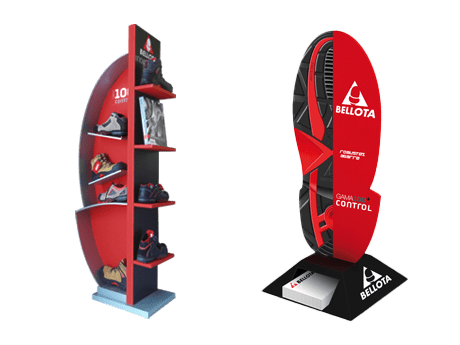
Secondary packaging extends the brand experience outside the primary container. It protects, transports and stages the product while reinforcing identity, sustainability and coherence across touchpoints.
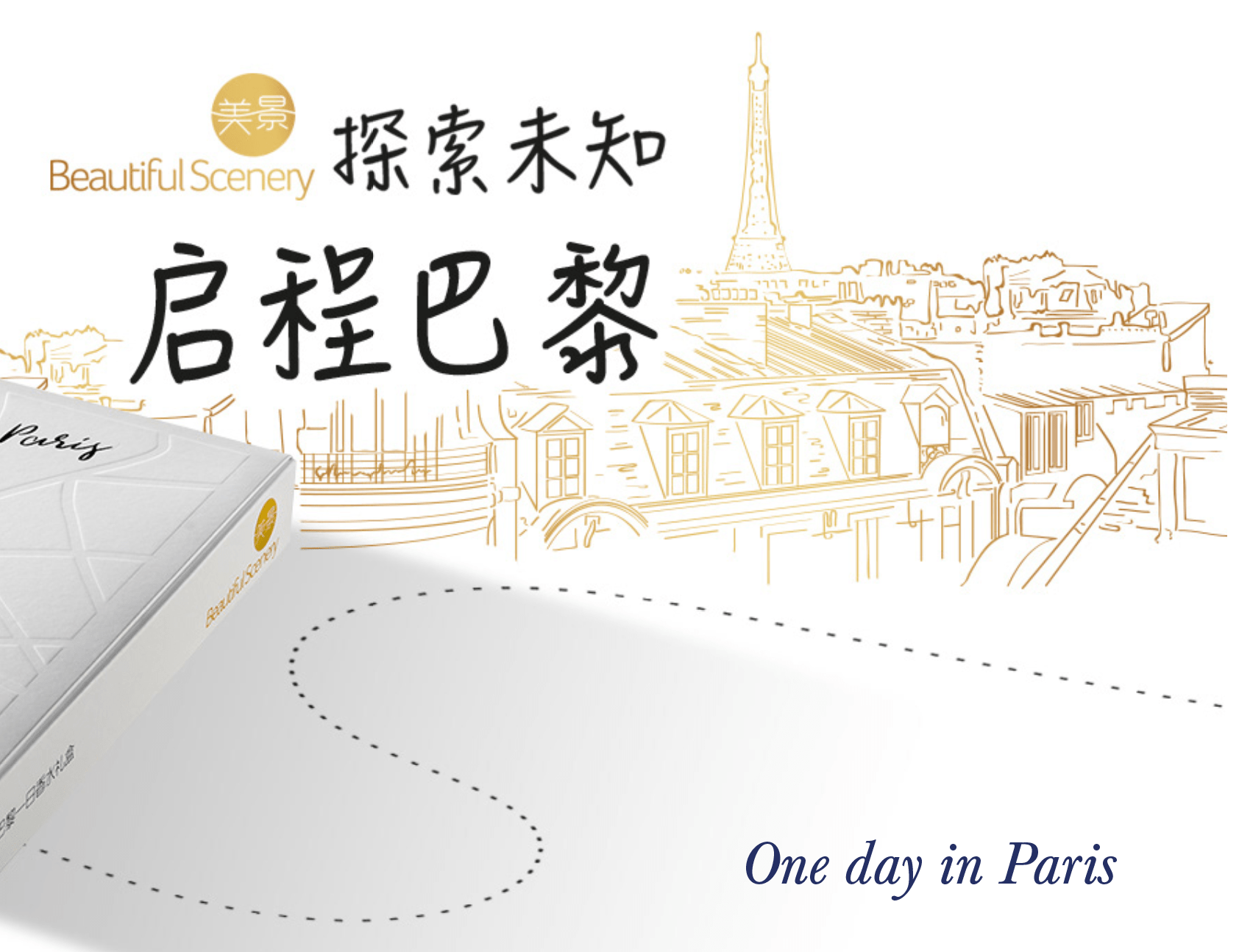
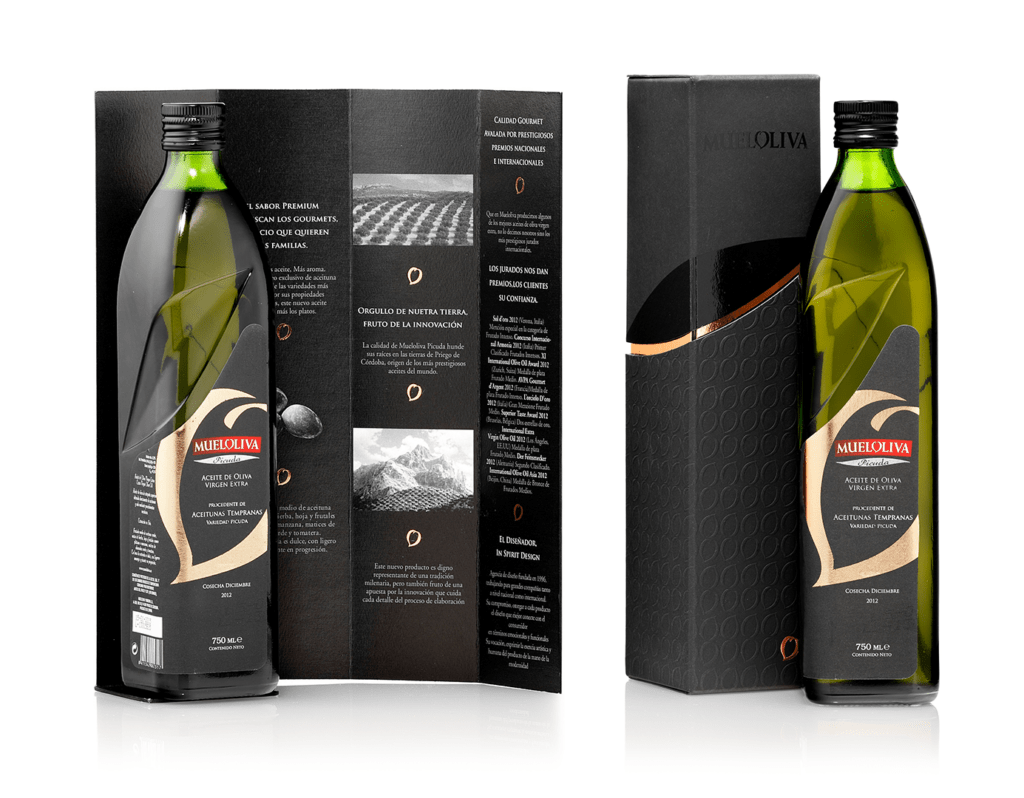
Promotional and seasonal gift packaging transforms the product into a celebration. Through bespoke boxes, premium materials and refined finishes, it elevates the product into a meaningful gift experience.
These limited editions are designed to:
1º enhance perceived value and desirability,
2º express the brand’s emotional and festive territory,
3º crear diferenciación mediante la personalización y el cuidado artesanal,
4º reinforce brand equity during key moments and occasions.
More than packaging, these creations become objects of attention, emotion and memory, extending the brand experience beyond everyday use.
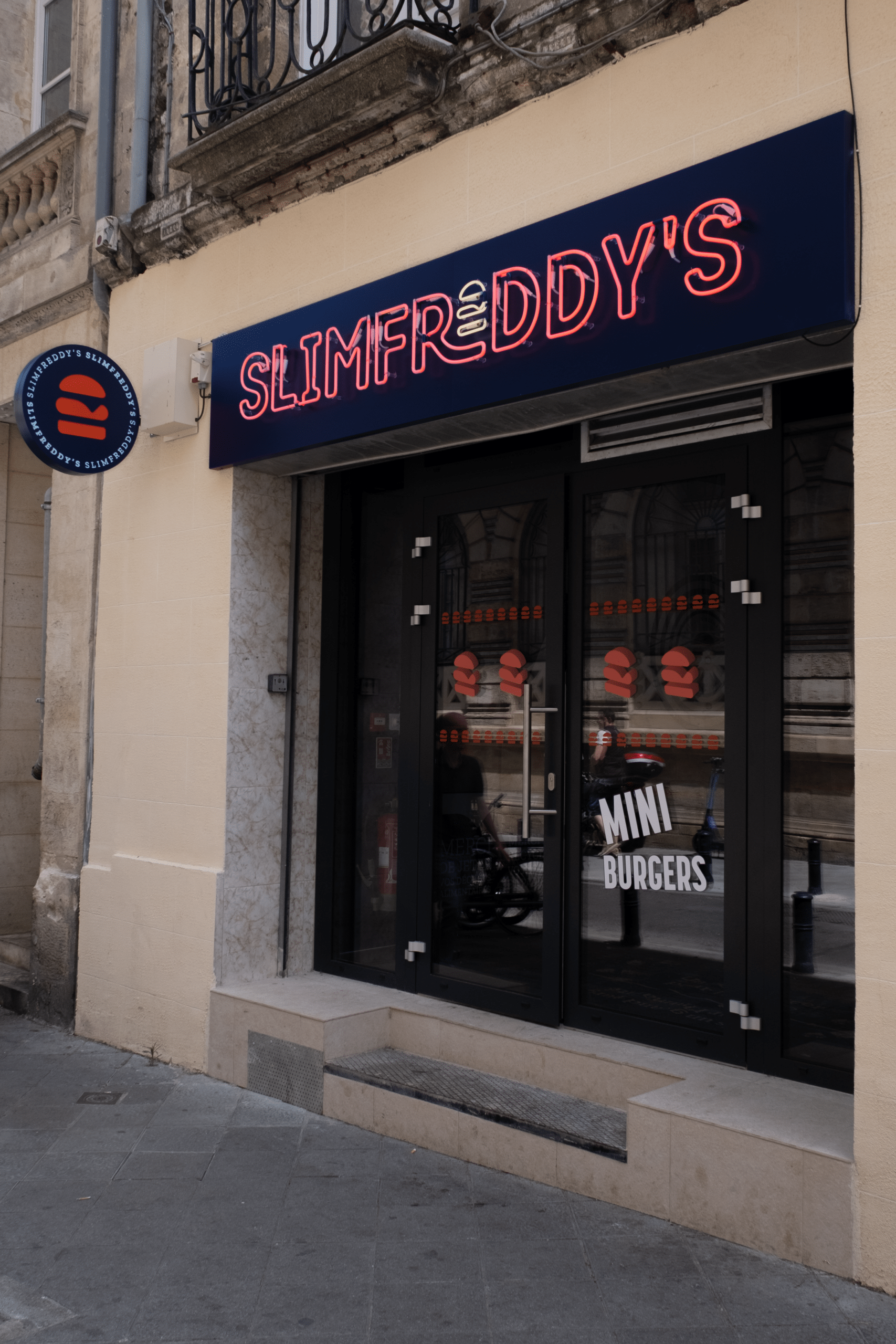
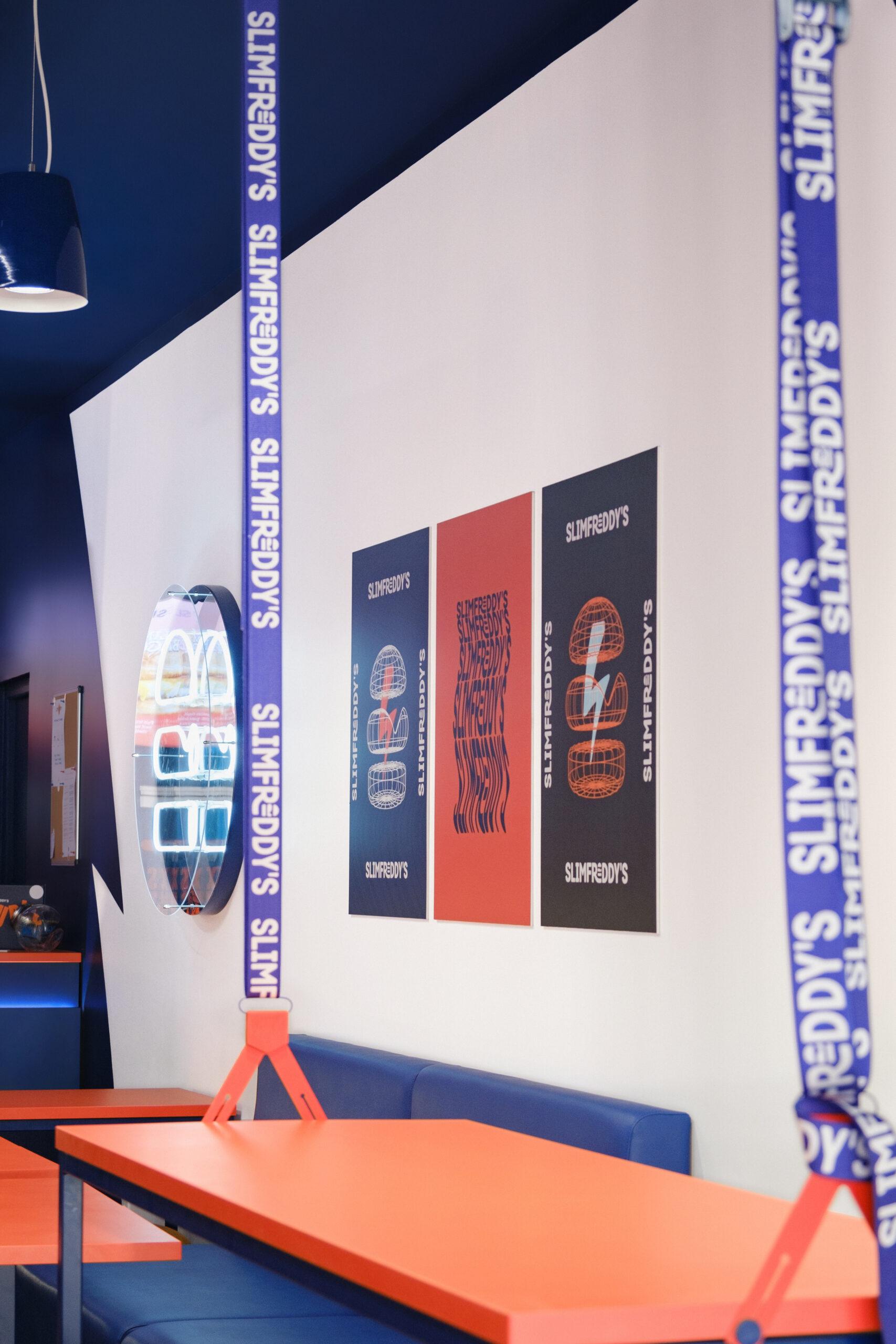
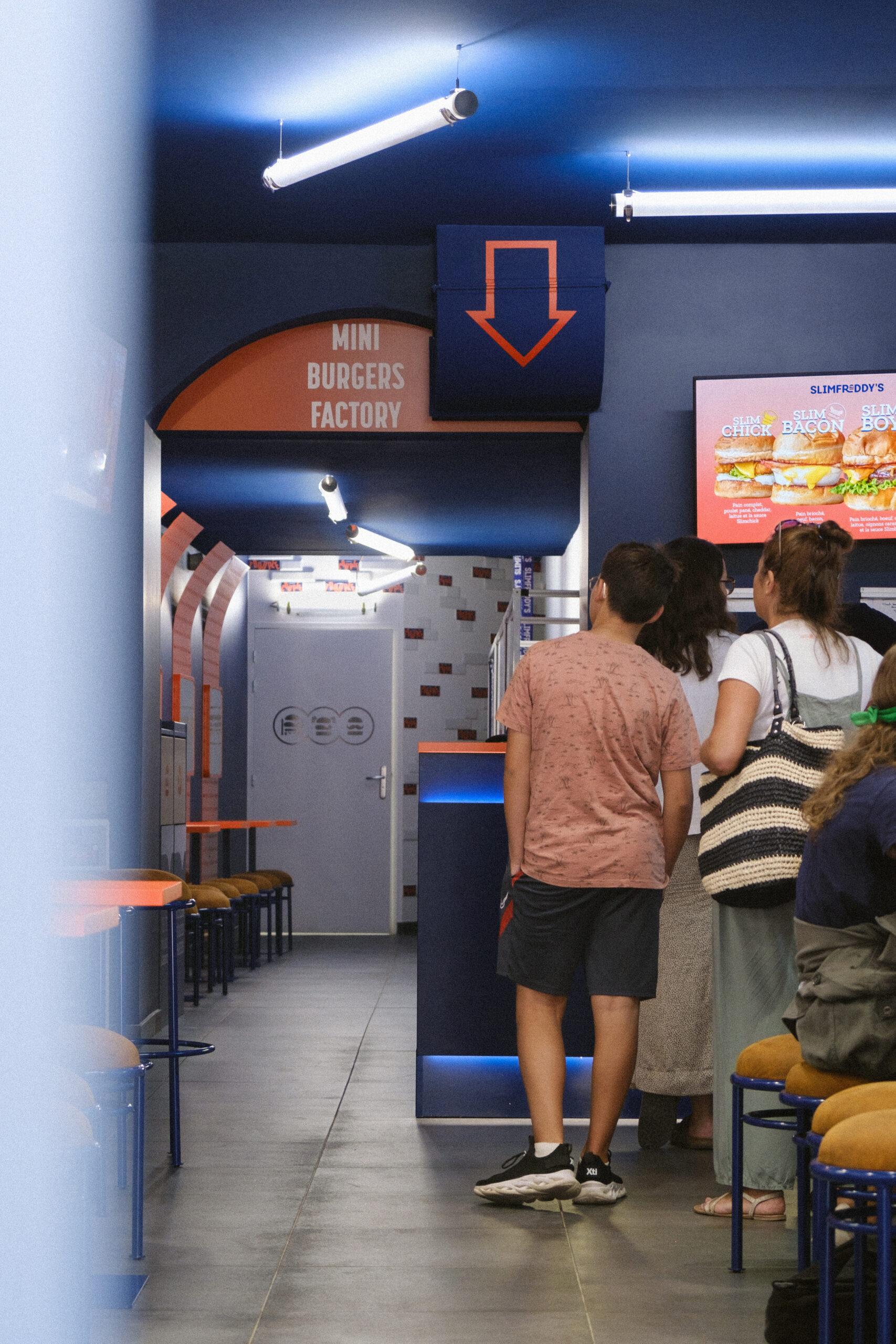
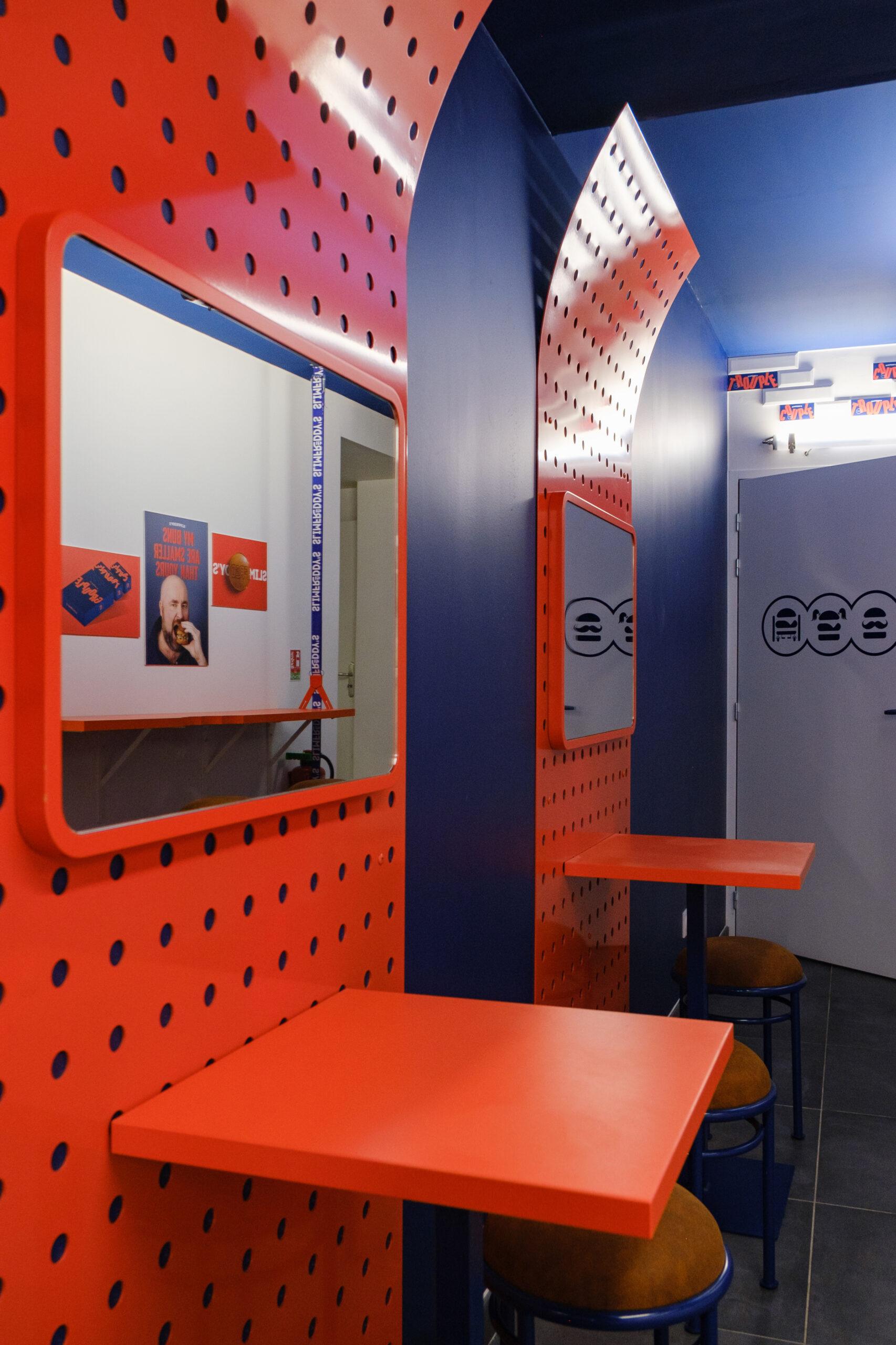
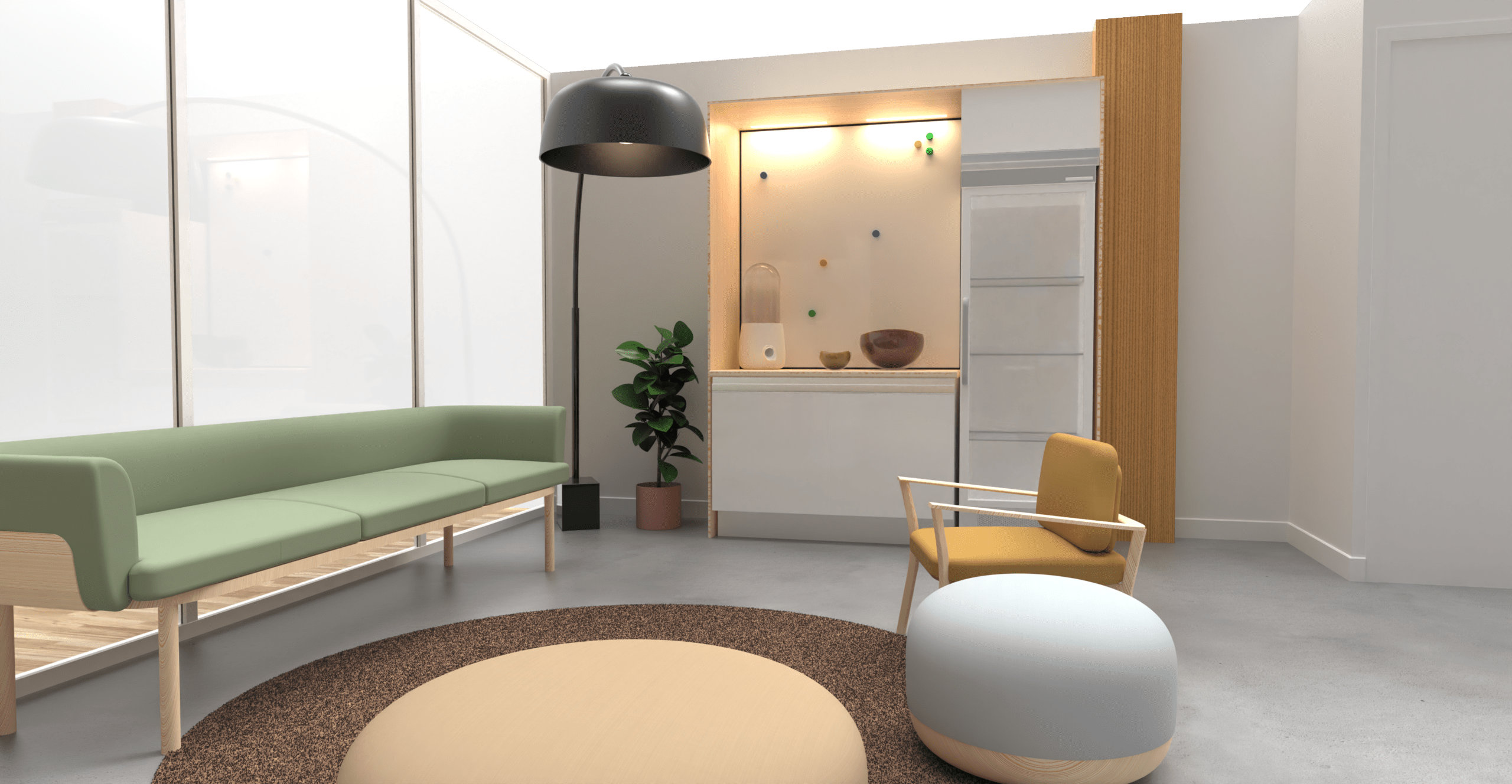
Space design is about transforming physical environments into meaningful brand experiences. More than designing places, we create immersive spaces that express the identity, values and purpose of a brand, an enseigne or a company.
Every space becomes a living interface between the brand and its audiences — where architecture, flow, objects and atmosphere work together to create emotion, clarity and engagement.
At In Spirit Design, space design starts with brand DNA. We translate strategy and positioning into spatial concepts that are readable, memorable and coherent.
Each element contributes to a unified narrative and a seamless user journey.
We carefully design circulation, rhythm and points of interaction to guide people naturally through the space. Comfort, clarity and atmosphere are central — whether in retail, commercial environments, horeca or hospitality.
We combine bespoke design with intelligent sourcing, selecting market-ready furniture and equipment that fit the spirit and concept of the space, balancing creativity, efficiency and budget.
concept and preliminary design,
detailed design with technical drawings and specifications,
simulaciones virtuales y visualizaciones espaciales,
supplier research and coordination,
and, when required, support through execution, delivery and opening.
systems, ensuring consistency and scalability — particularly for networks and franchise models.
A well-designed space does more than function. It creates emotion, builds trust and reinforces brand value over time.
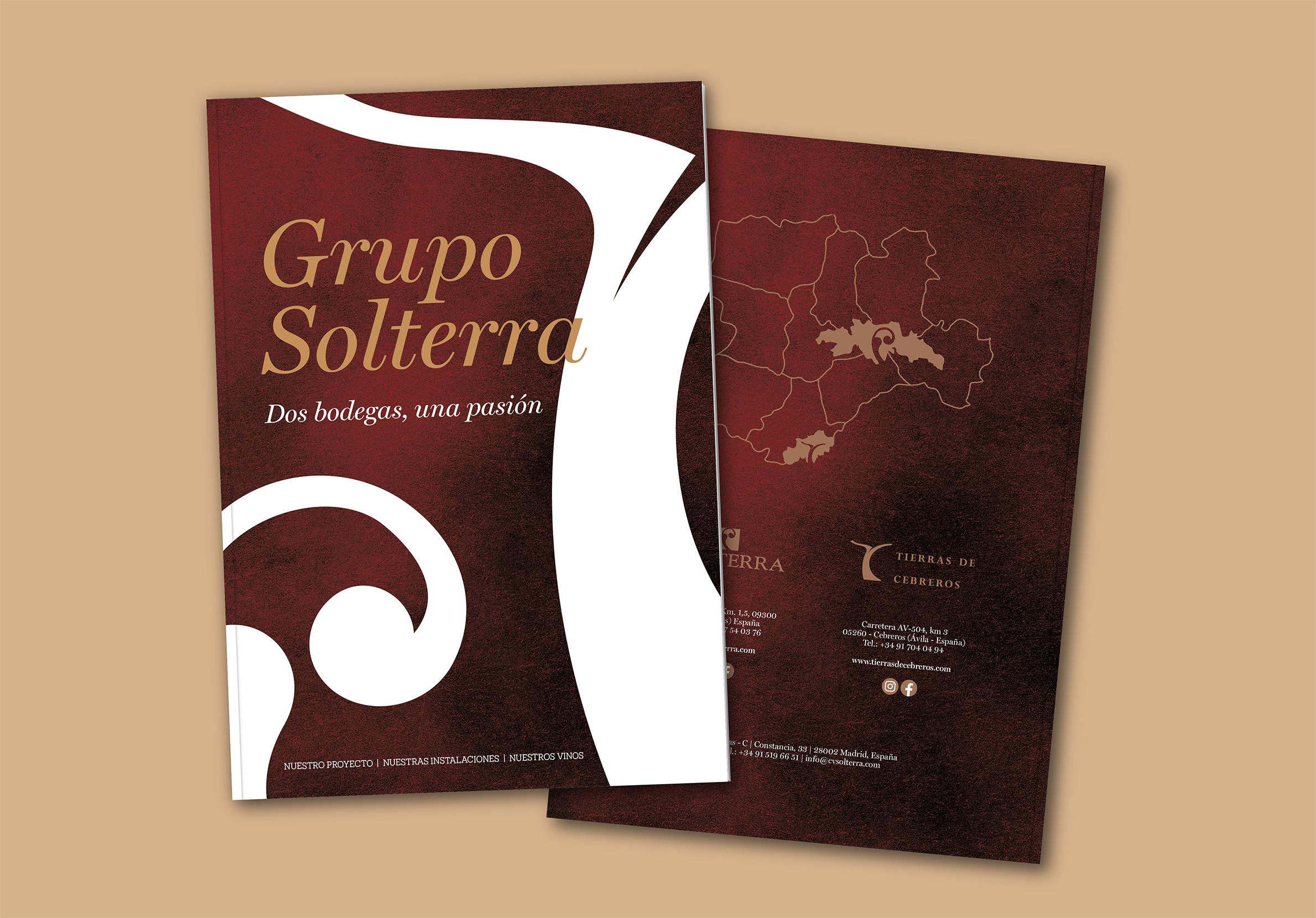
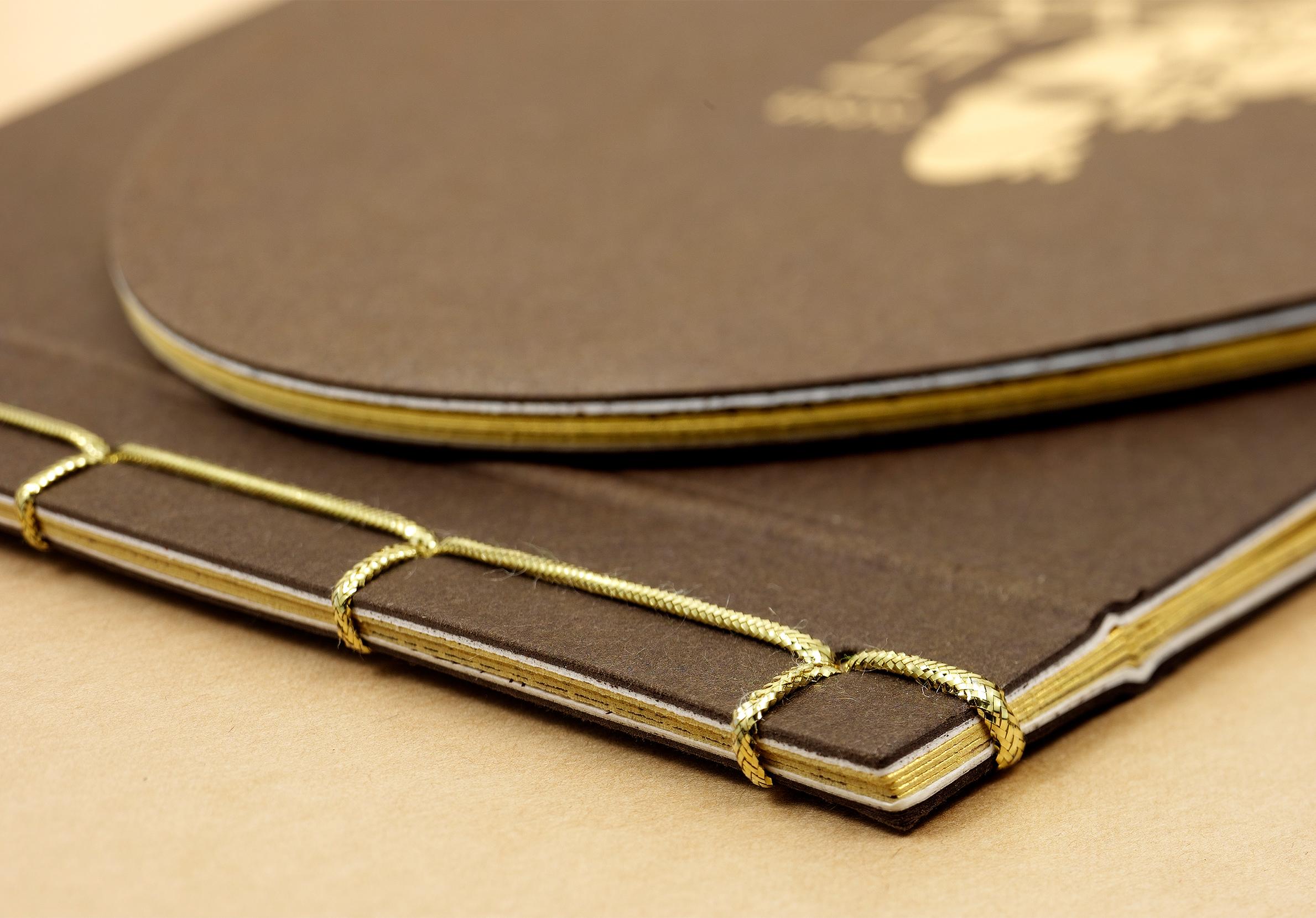
We create editorial materials — books, brochures, catalogues and restaurant menus — that structure information, express brand identity and bring stories to life across print and digital formats.
Through clarity, rhythm and visual coherence, editorial design becomes a powerful tool for engagement, understanding and memorability.
We create editorial materials — books, brochures, catalogues and restaurant menus — that structure information, express brand identity and bring stories to life across print and digital formats.
Through clarity, rhythm and visual coherence, editorial design becomes a powerful tool for engagement, understanding and memorability.