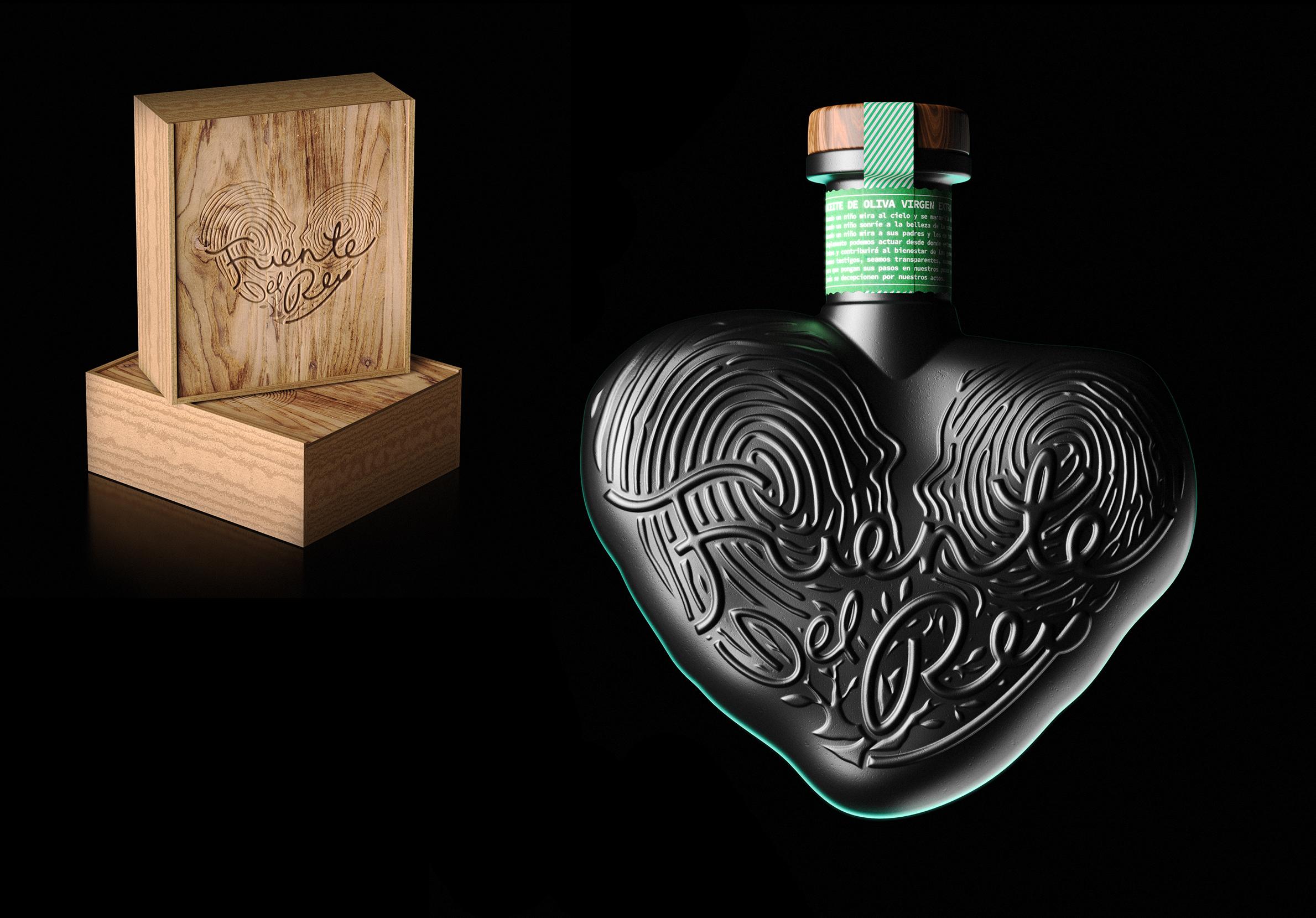
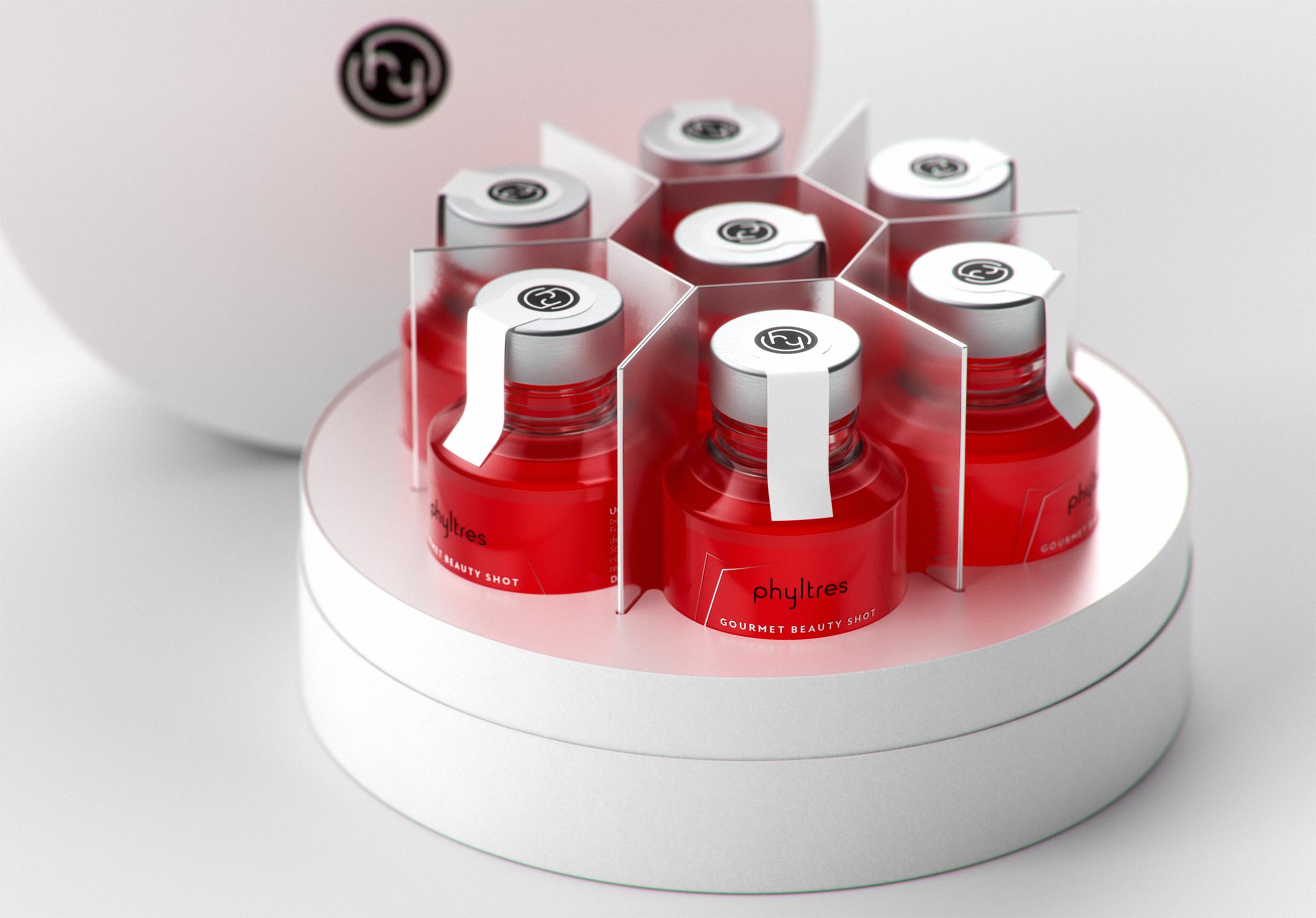
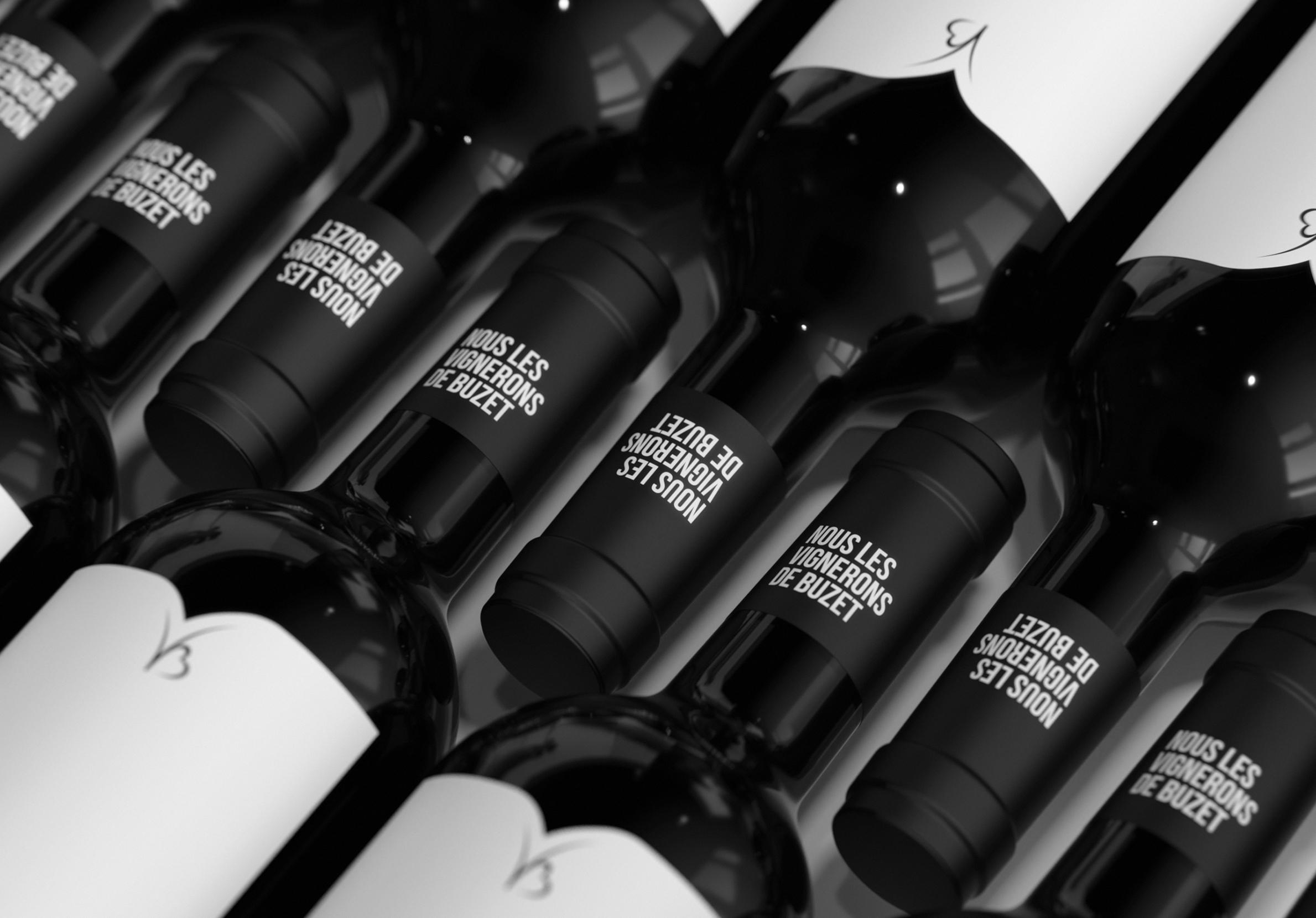
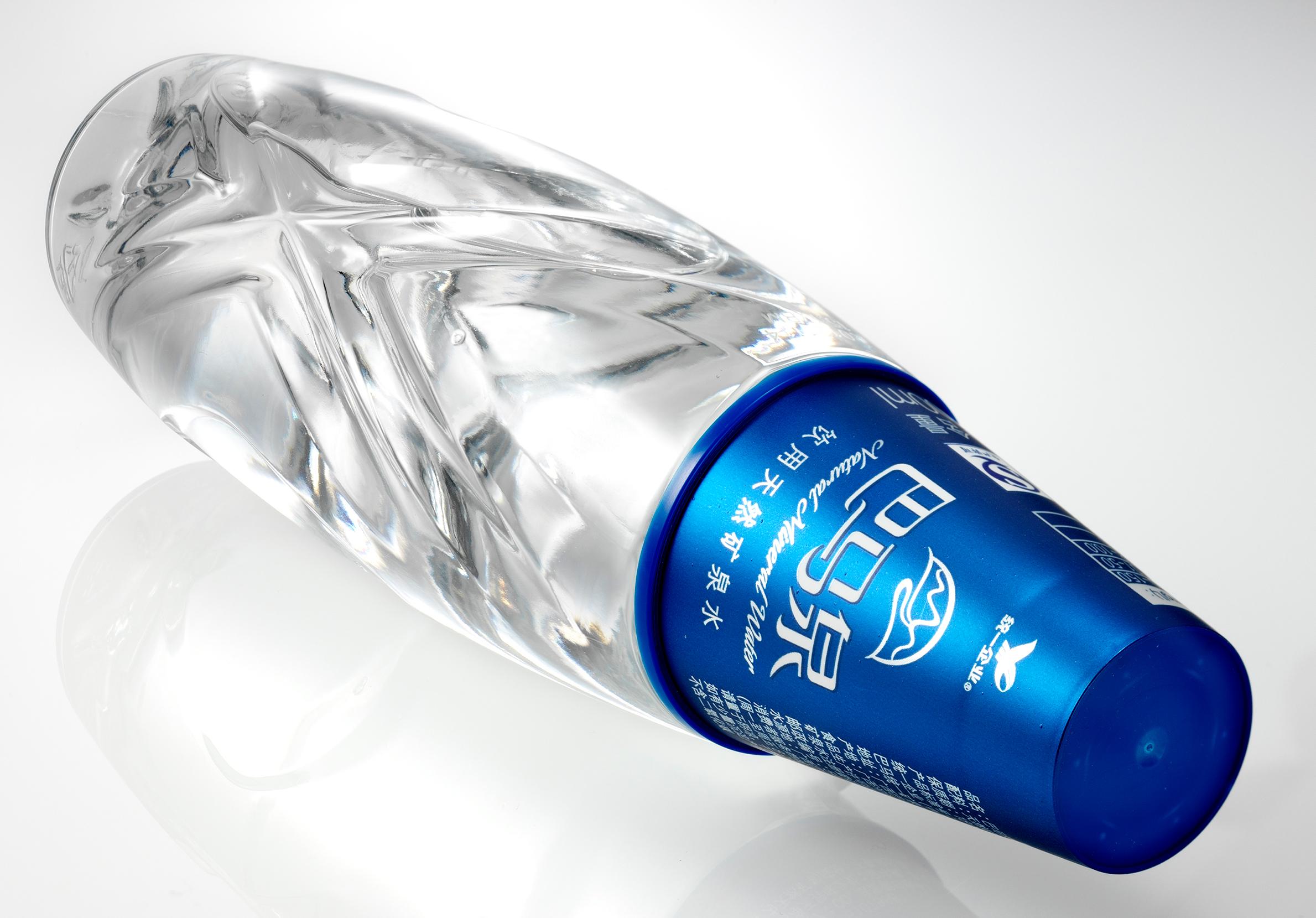
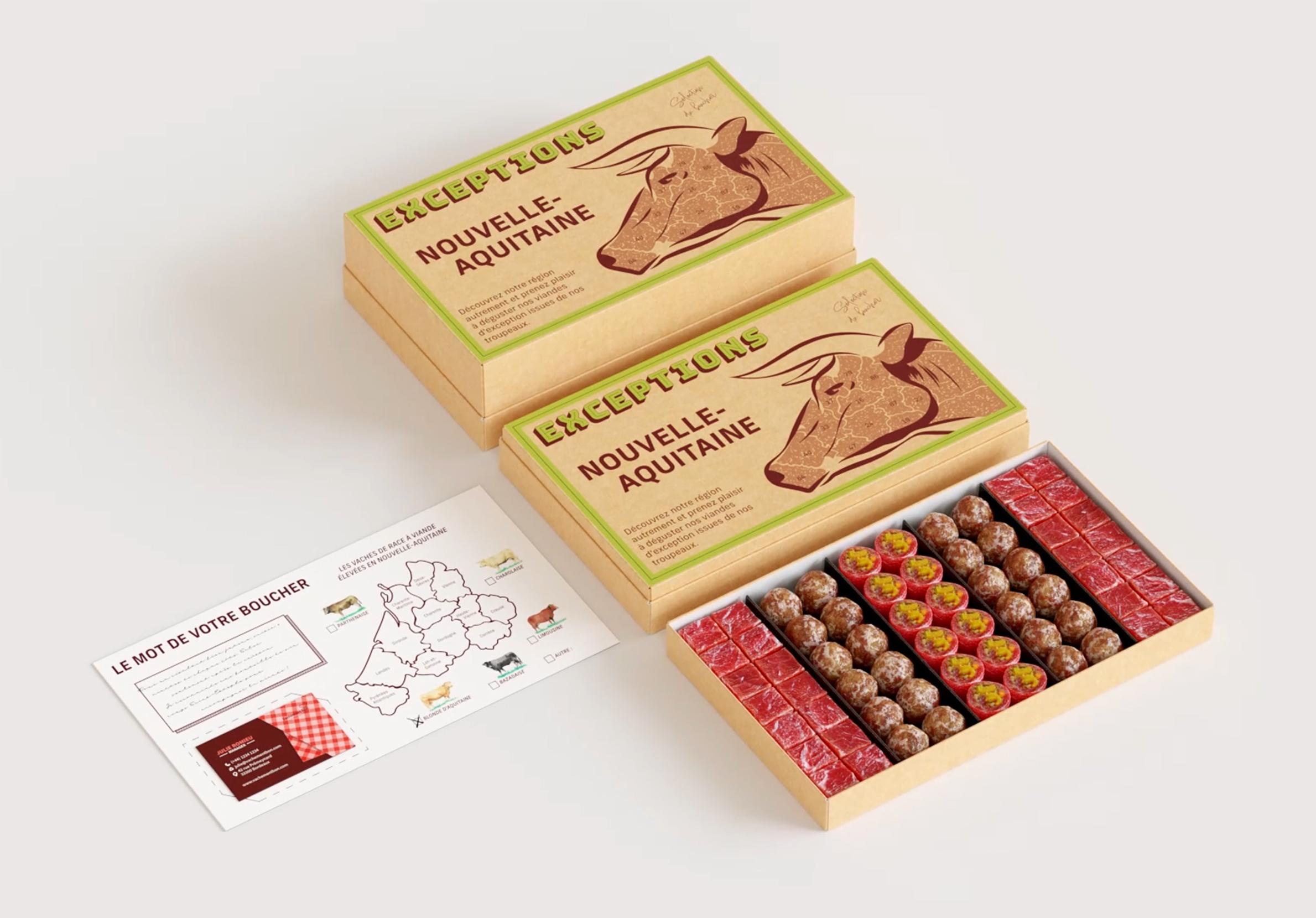
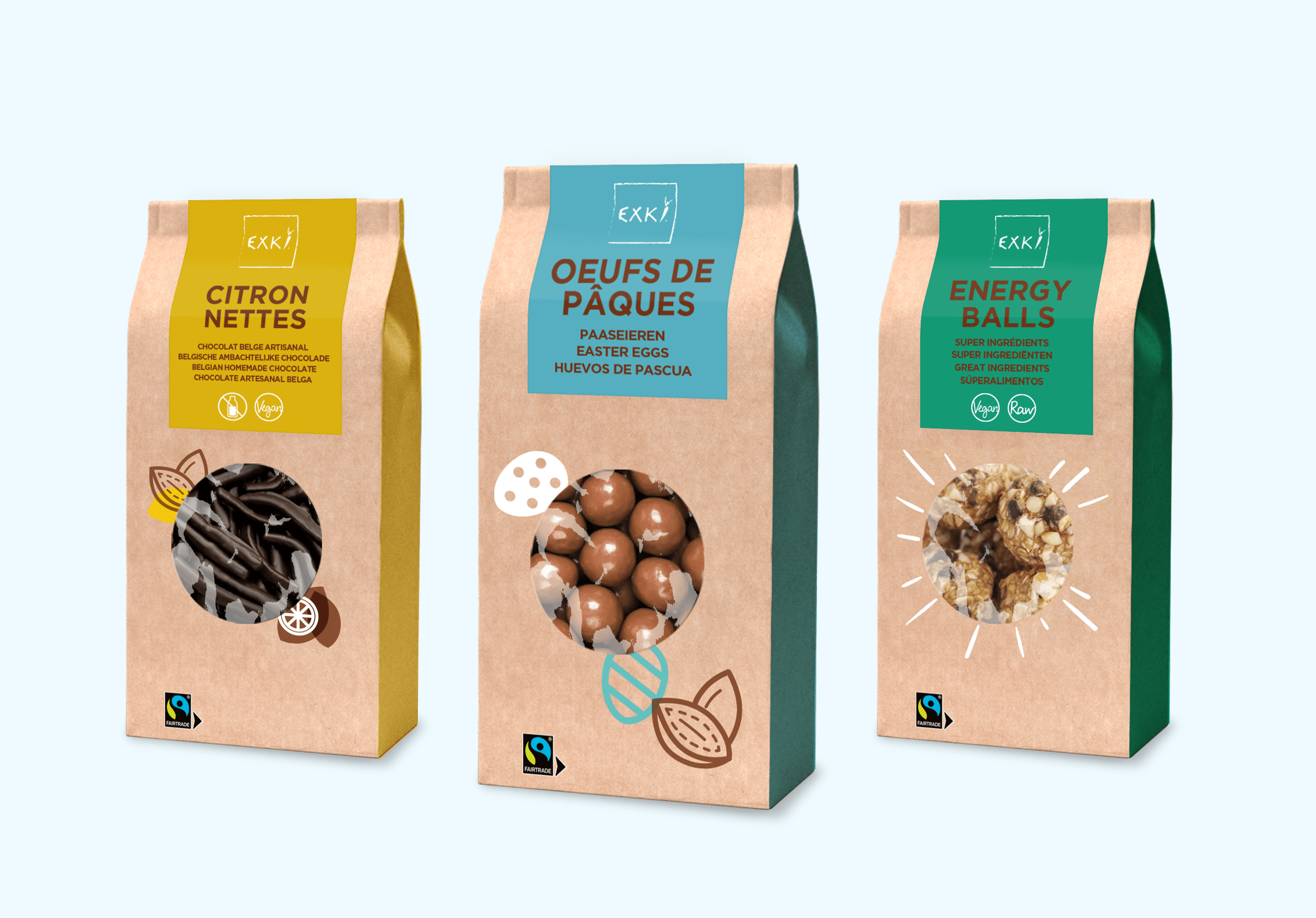
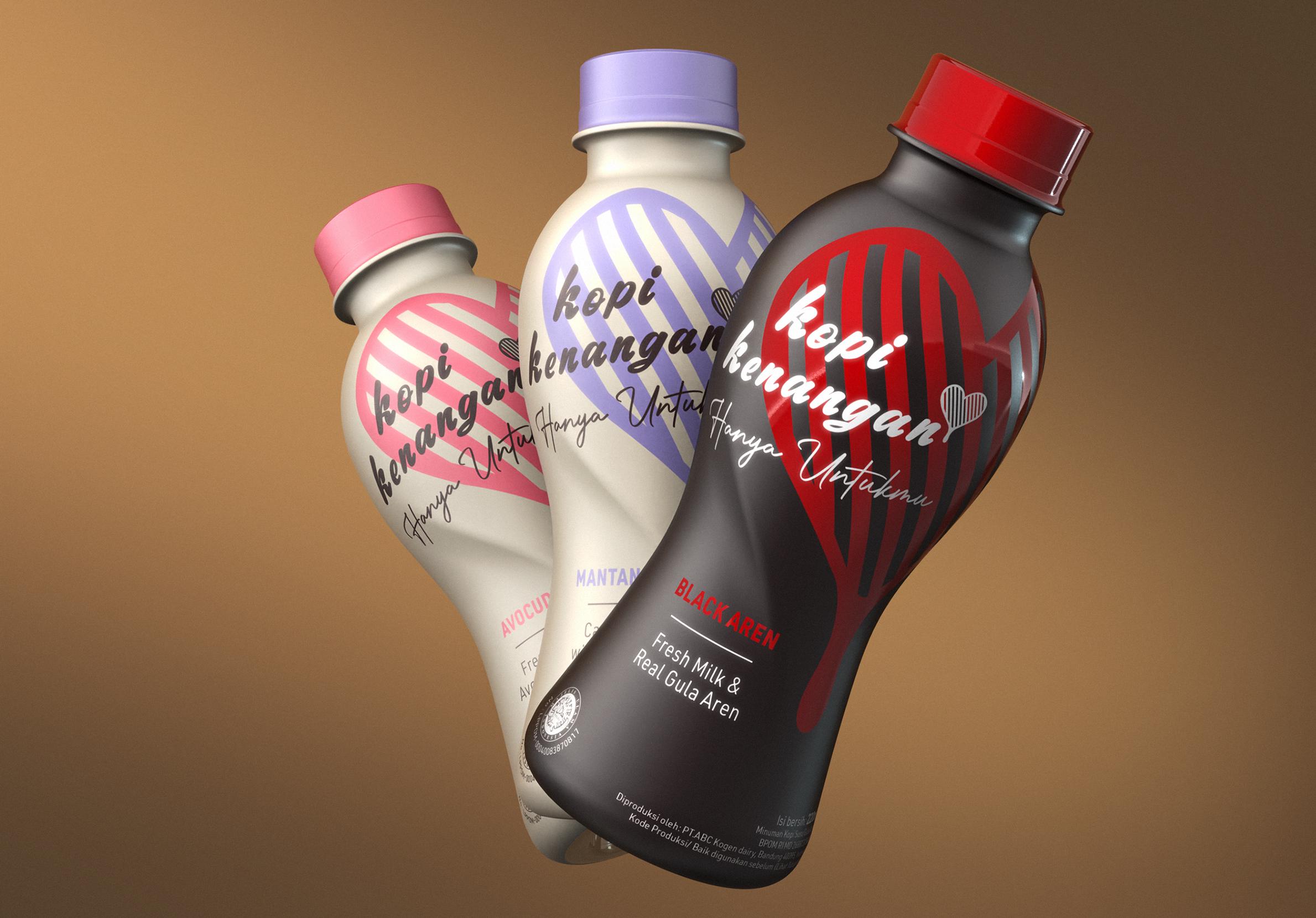
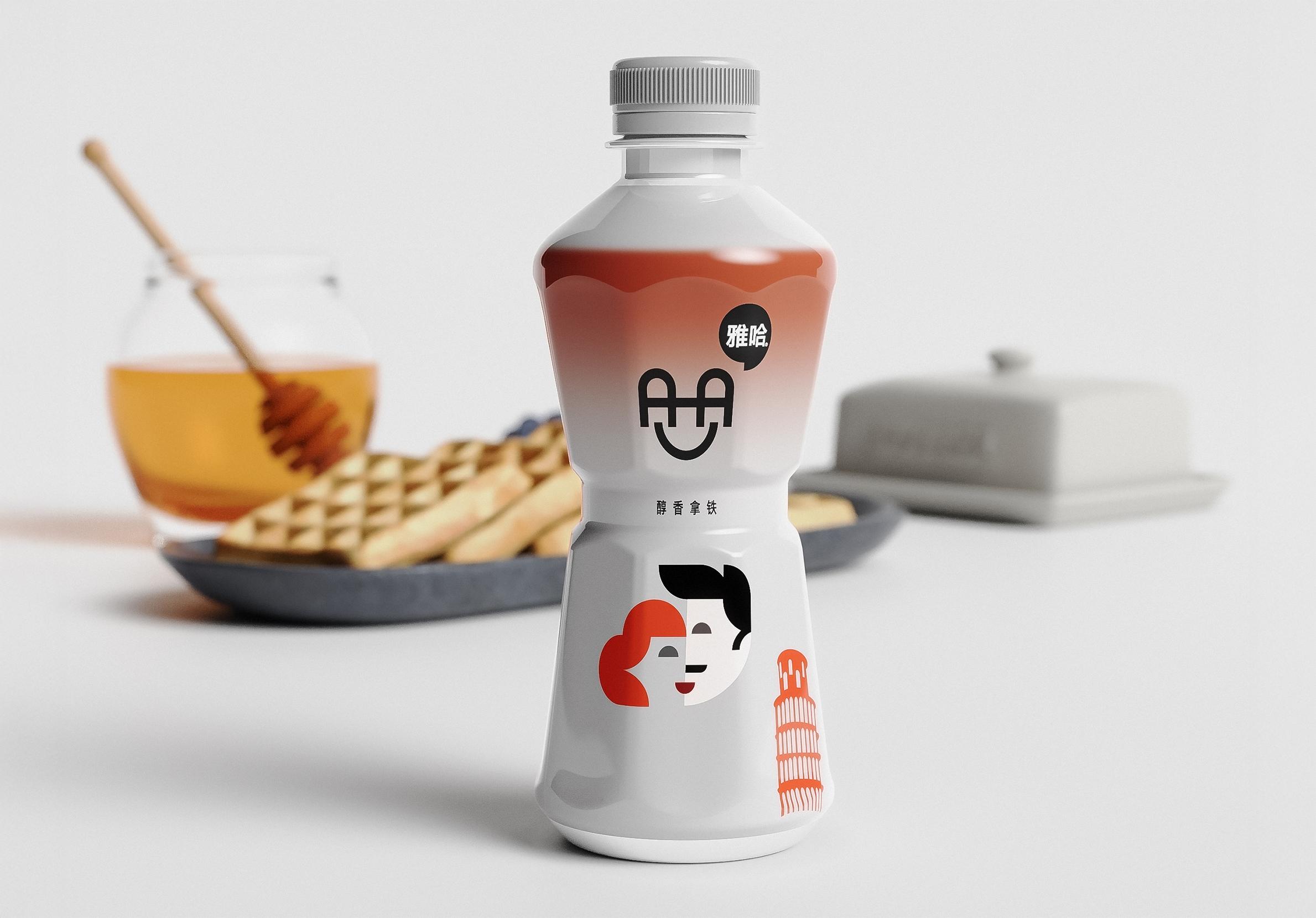
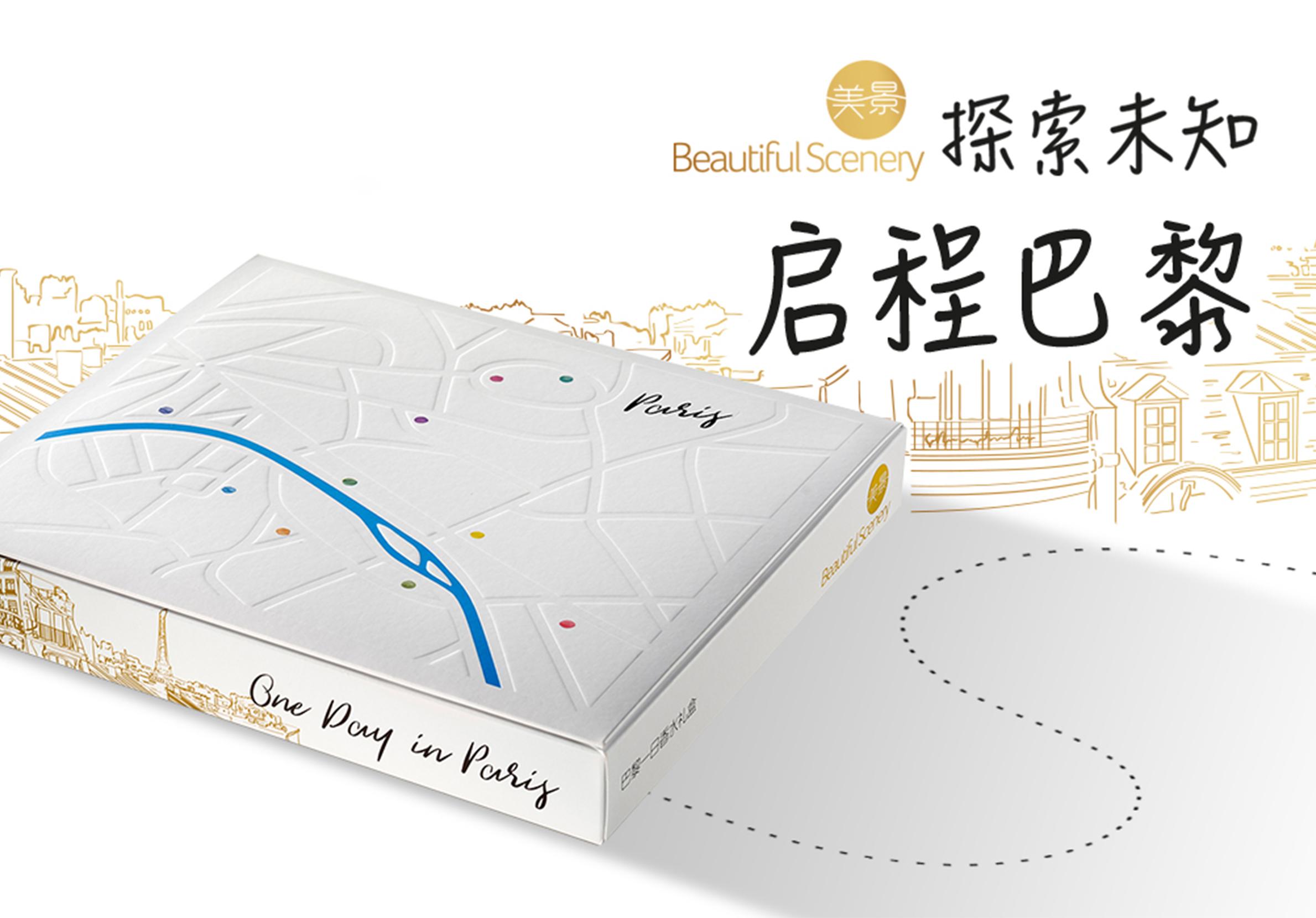
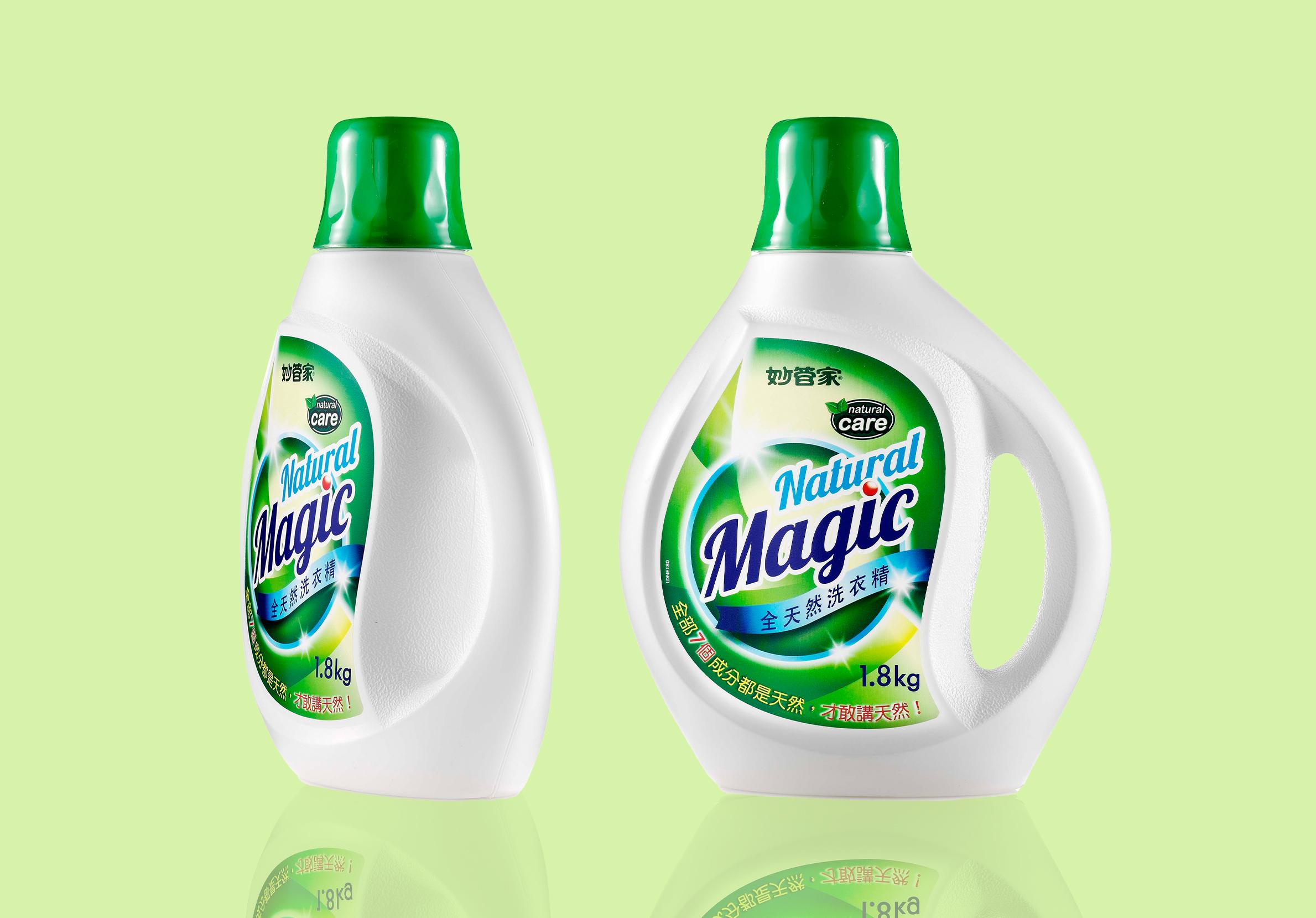
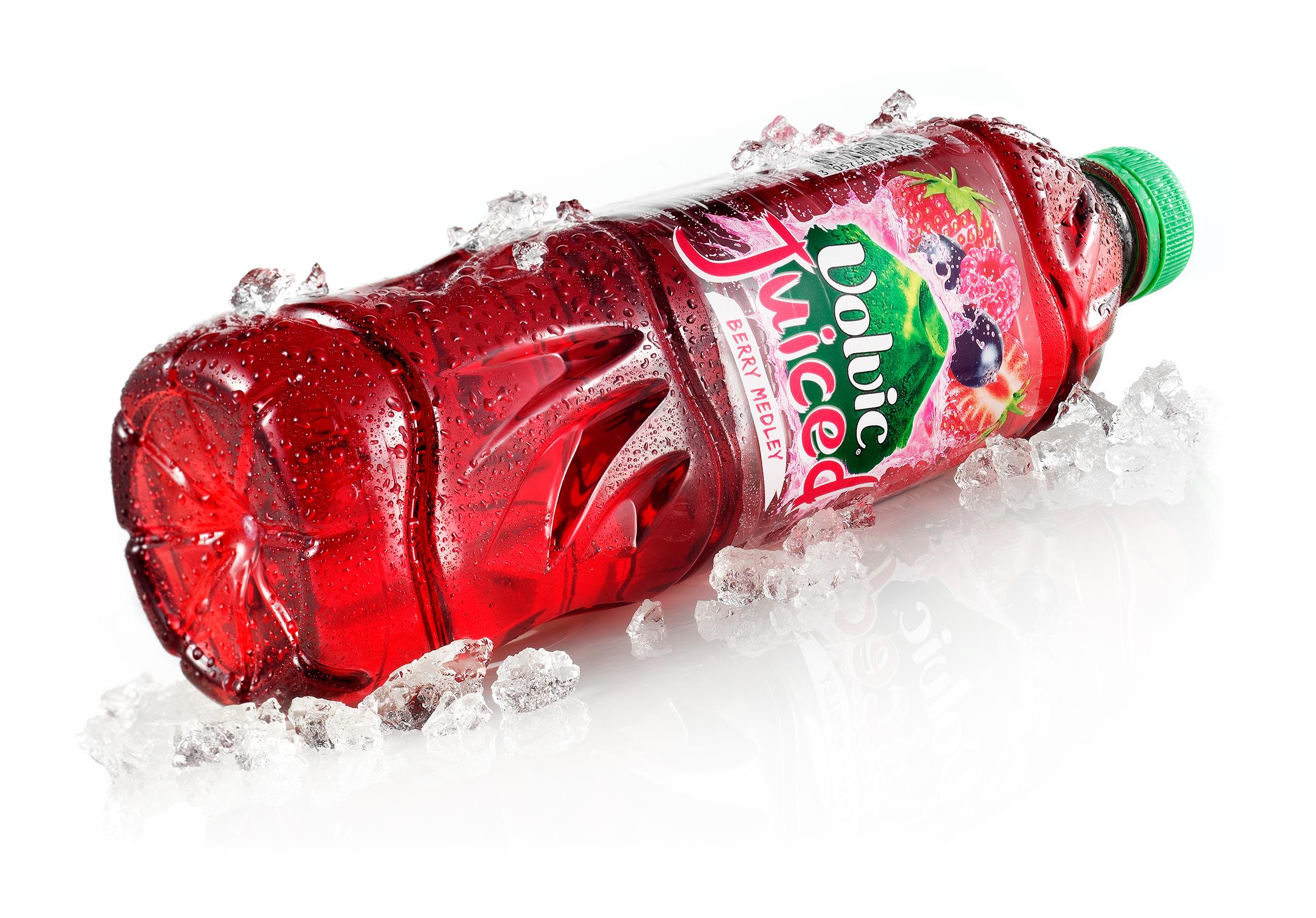
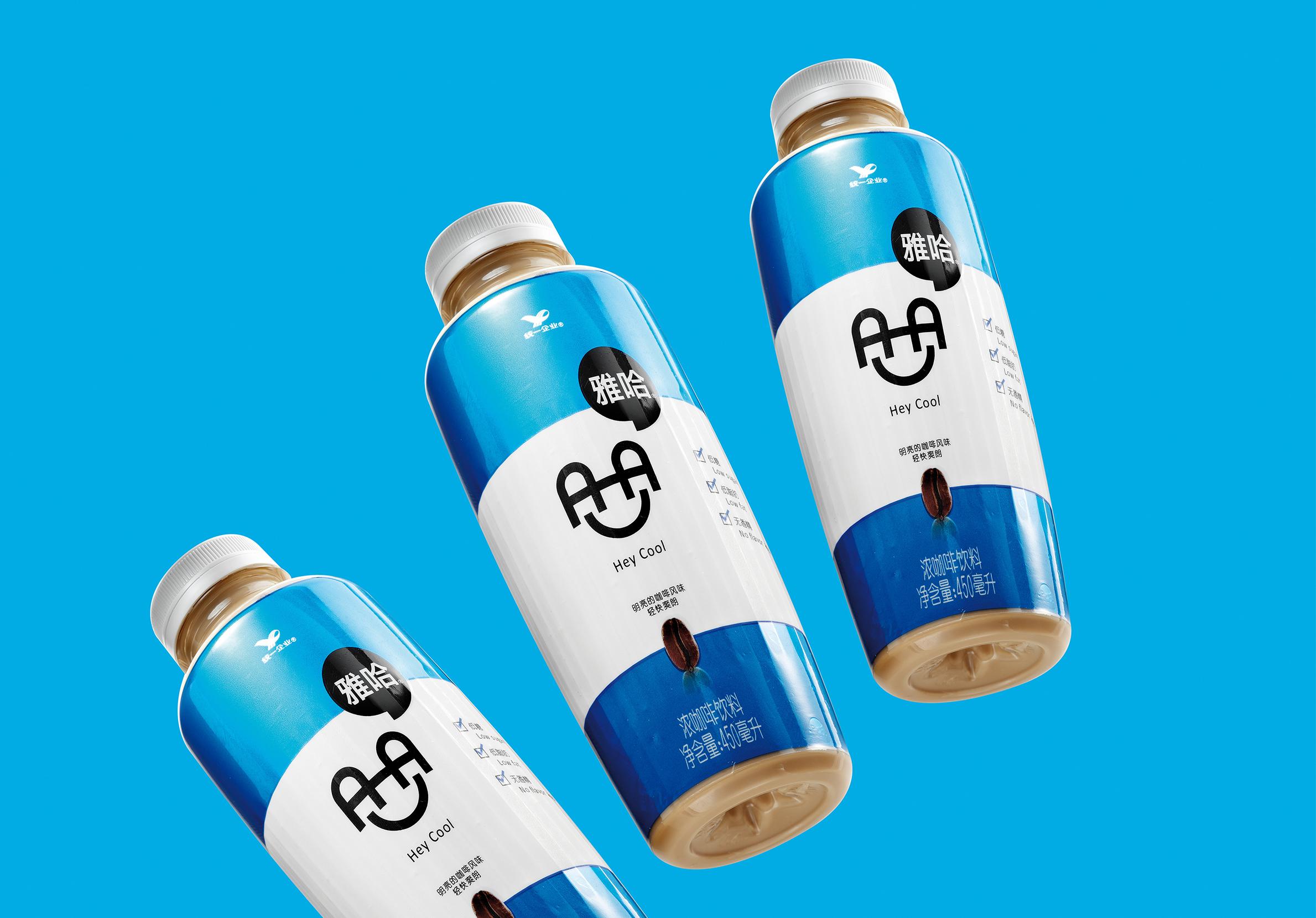
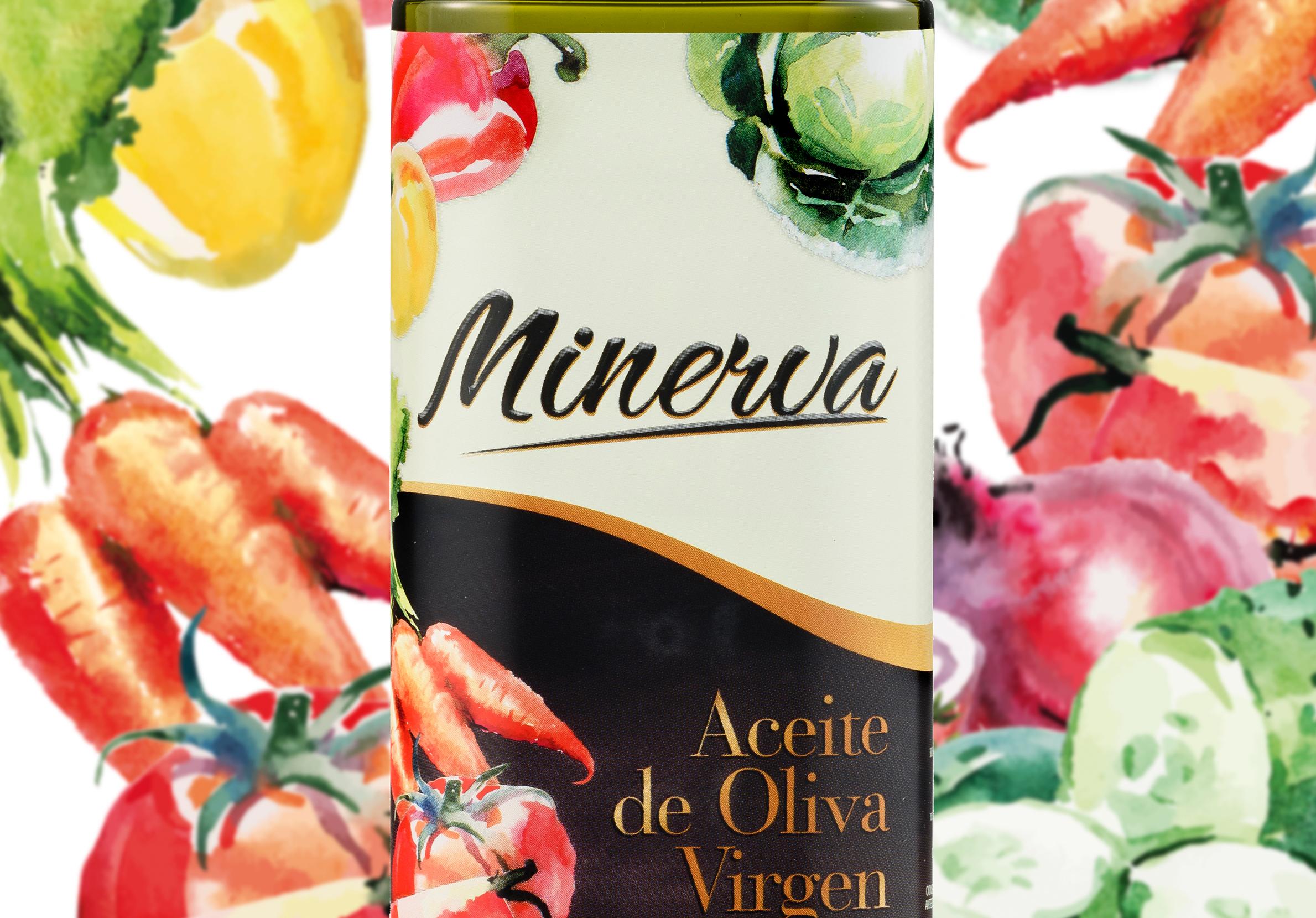
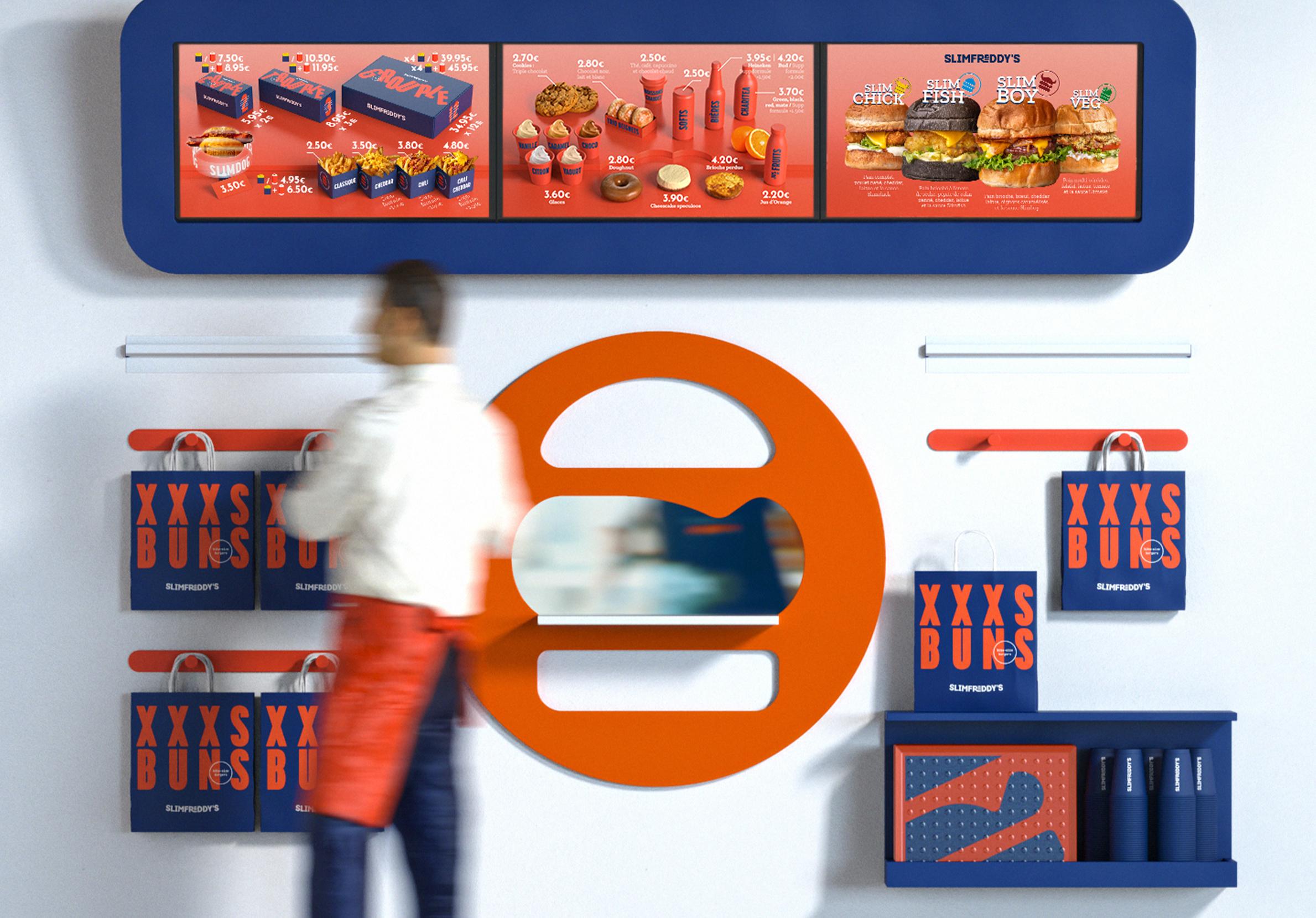
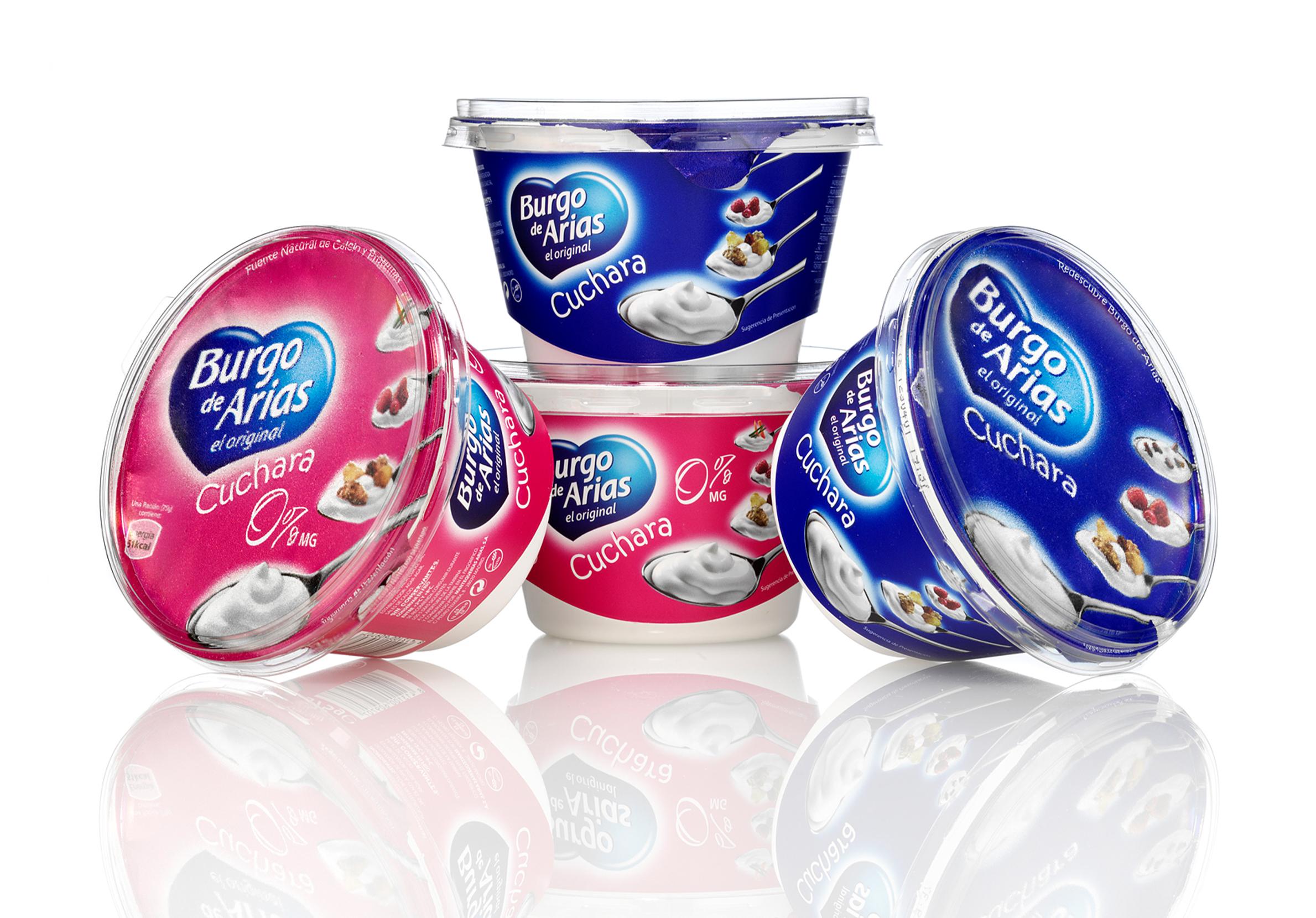
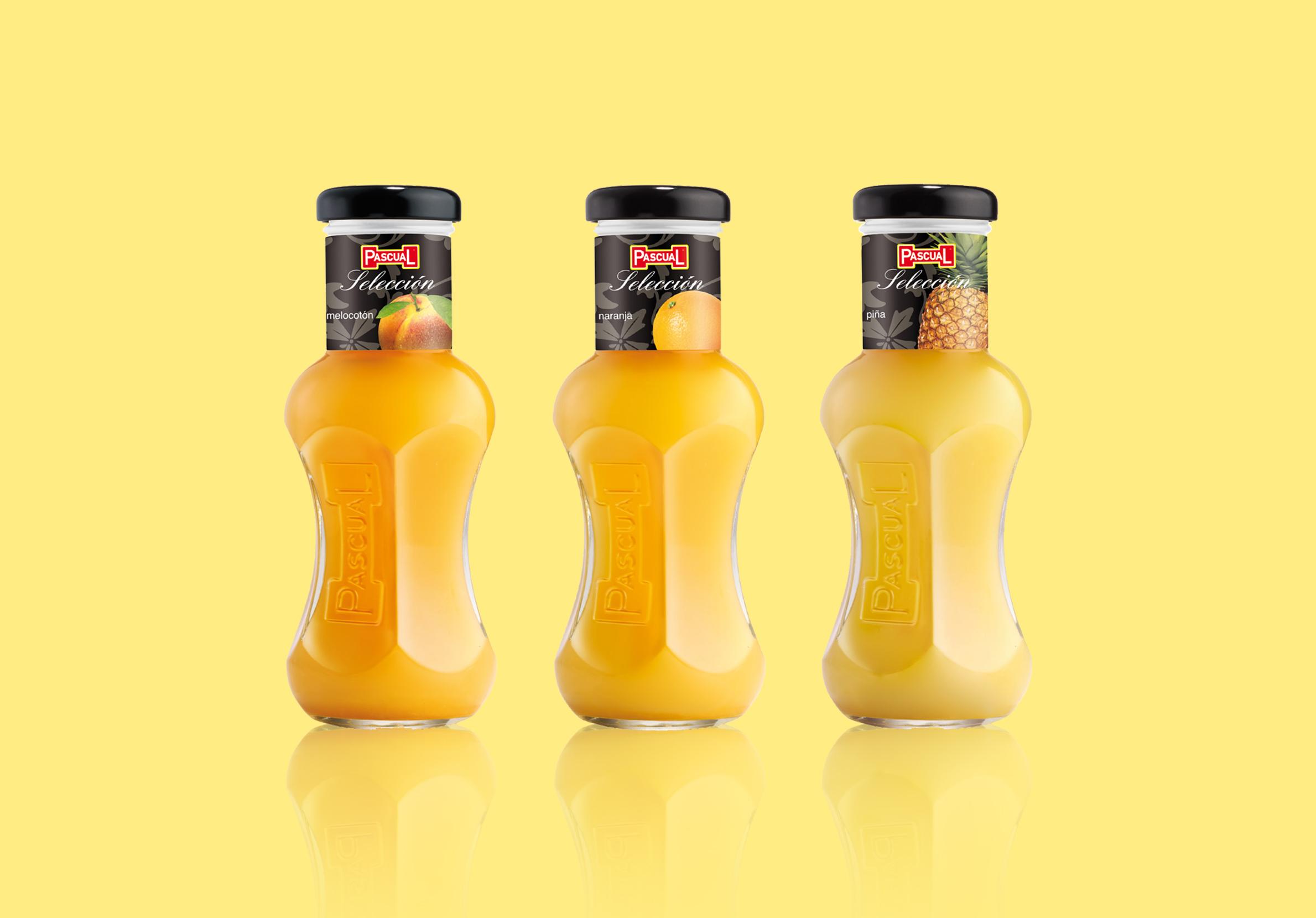
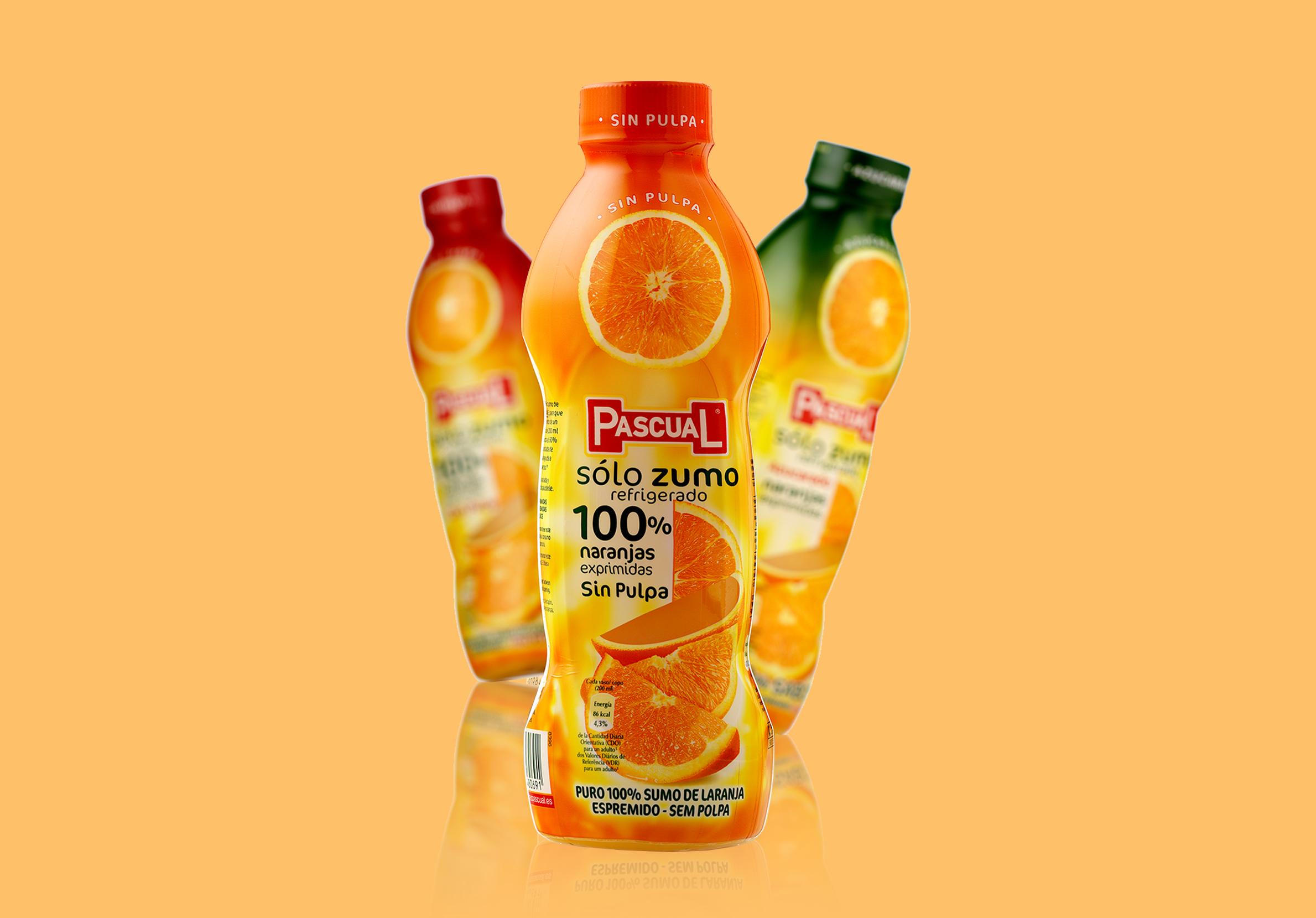
In the world of fast-moving consumer goods, the consumer is central. Everything begins with them, their gestures, their needs, their lifestyle and rhythm. The product must speak to them instantly, in the few seconds of attention it receives on the shelf.
Here, everything is impulse, reflex, immediacy. Yet behind this speed, the designer seeks to create an experience, a simple, clear, reassuring journey, where every touchpoint becomes a sign of coherence and trust.
The consumer wants to understand effortlessly. They want to believe without hesitation. Design must transform caution into confidence, questioning into clarity.
Visual impact opens the door, but it is the story — the authentic, readable, credible promise —
that holds attention and builds attachment.
Here, ergonomics takes precedence over ritual: the grip, the opening, the use, moments where practicality becomes emotion, where efficiency feels intuitive and sensorial.
The product must be accessible, understandable, affordable, without giving up its personality or perceived value.
In a world of flow and renewal, the challenge is to imagine sustainability within the ephemeral,
recyclability over disposability, reusability as a form of respect.
Even in mass production, one must seek the feeling of uniqueness: an imprint, an immediate recognition,
a touch of humanity within repetition.
una forma de humanidad dentro de la repetición.
The design of FMCG is the art of making the essential visible, the simple desirable, and the fleeting memorable.
efímero.